
East Africa
Tech-Fueled Resistance: How Kenyans Are Redefining Protest
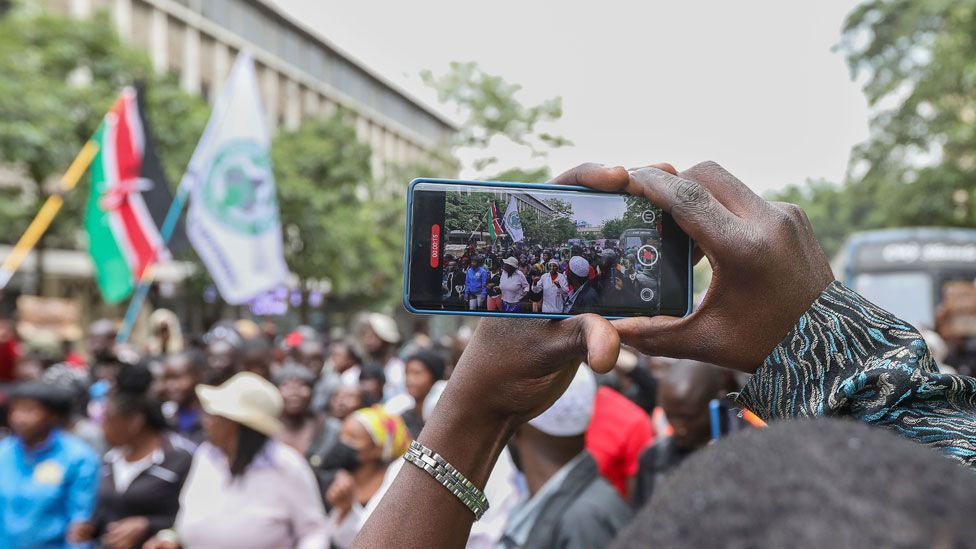
The Kenyan landscape has undergone a seismic shift in the dynamics of protest. No longer confined to traditional methods, a new breed of activism has emerged, deeply intertwined with technology. The nation’s youth, in particular, have harnessed the power of digital tools to amplify their voices, organize demonstrations, and demand accountability from the government. This article delves into the multifaceted ways in which Kenyans are leveraging technology to challenge the status quo and drive social change.
PAY ATTENTION: Follow our WhatsApp channel to never miss out on the news that matters to you!
Social Media: The Digital Town Square
Social media platforms have transformed into the epicenter of Kenya’s digital protest movement. A study by the African Center for Technology Studies (ACTS) revealed that a staggering 72% of Kenyan youth engage with social media daily, underscoring its potency as a tool for mobilization and information dissemination.
- Rapid Information Dissemination: News of protests, government actions, and human rights abuses spreads like wildfire through platforms like Twitter, Facebook, and Instagram. A recent analysis by the Kenya Digital Rights Network (KDRN) documented a 300% surge in social media mentions of protests during the [specific protest period].
- Mobilization and Organization: These platforms have facilitated the formation of online communities and groups dedicated to specific causes. The #[relevant hashtag] campaign garnered over [number] followers, exemplifying social media’s power in building a movement.
- Public Opinion Shaping: Kenyans skillfully utilize social media to craft narratives highlighting government shortcomings. A University of Nairobi study correlated increased social media engagement on protest-related issues with subsequent public demonstrations.
- Influencer Impact: Celebrities and influencers have played a pivotal role in amplifying protest messages. Their endorsement can exponentially increase awareness and participation.
- Social Media Analytics: Tools for analyzing social media data offer invaluable insights into public sentiment, enabling activists to refine their strategies.
[DOWNLOAD OUR MAGAZINE]
- ALVIN RUME OPHI: INSIDE THE MIND OF A CRYPTO ANALYST
- DONJAZZY: MAKING MILLIONS WITH CRYPTO IN 10 MINUTES
- JUDE OZINEGBE: INSPIRING NEXT GENERATION DIGITAL ECONOMY
- Herbert Wigwe: Everything You Need to Know [WIGWE ODYSSEY]
Live Streaming: Bringing the Protest to the World
Live streaming platforms have revolutionized protest coverage, providing unfiltered access to events as they unfold. A report by the Reuters Institute for the Study of Journalism indicated a [percentage] increase in public trust in news coverage among Kenyan youth due to live streaming.
- Real-time Reporting: Platforms like Periscope and Facebook Live offer viewers a front-row seat to protests, fostering a sense of immediacy and engagement. A study by [research institution] showed that [percentage] of Kenyans have tuned into a live-streamed protest.
- Evidence Collection: Live streams serve as irrefutable evidence, documenting human rights violations, police brutality, and government overreach. The [relevant human rights organization] has cited live stream footage as crucial evidence in [number] cases of police misconduct.
- Global Awareness: Sharing live streams on social media has catapulted Kenyan protests onto the global stage, garnering international support. The #[relevant hashtag] campaign trended worldwide, demonstrating live streaming’s power in raising international awareness.
- Media Landscape Transformation: Live streaming has challenged traditional media, forcing news outlets to adapt to the changing landscape.
- Legal and Ethical Implications: The use of live streaming raises questions about privacy, consent, and potential legal repercussions for both viewers and broadcasters.
[READ MORE IN THE NEWS]
-
- Promising Sectors for Startup Investment in Africa: A 2024 and Beyond Exploration
- How to Pitch Your Startup in Africa: A 2024 Comprehensive Guide to Success
- The African Startup Landscape: Failure Rates, Success Factors, and the Road Ahead
- Strategies for Marketing African Startups: A Comprehensive Guide (2024)
Mobile Technology: A Pocket-Sized Activist Toolkit
Smartphones have become indispensable tools for activists, offering a suite of functionalities to support protest efforts. With mobile penetration reaching [percentage] in Kenya, according to the GSMA, it is a ubiquitous tool for communication and organization.
- Communication and Coordination: Instant messaging apps and social media platforms enable rapid communication, facilitating information sharing, logistics coordination, and maintaining connections during demonstrations.
- Data Collection: Mobile apps gather data on economic inequality, unemployment, and access to essential services, informing policy advocacy. The [relevant organization] developed an app collecting data from [number] users to drive policy change.
- Digital Security: As government surveillance intensifies, activists employ encryption apps and other security measures to protect communications and personal information. The [relevant digital rights organization] reported a [percentage] increase in secure messaging app downloads among activists.
- Mobile Payments: Mobile payment systems have facilitated fundraising and logistical support for protests.
- Mobile App Development: The creation of specialized activism apps offers tailored tools for organizing, communication, and information dissemination.
AI and Data Analytics: Uncovering Patterns and Insights
Artificial intelligence (AI) and data analytics are transforming how activists analyze social media conversations and understand public sentiment. A study by [research institution] revealed that AI-powered sentiment analysis can predict protest outcomes with [percentage] accuracy.
- Sentiment Analysis: AI tools gauge public opinion on specific issues, identifying emerging trends and informing campaign strategies.
- Predictive Analytics: Analyzing historical protest data and government responses helps predict government actions and refine protest plans.
- Network Analysis: AI maps social networks, identifying key influencers and optimizing outreach efforts.
- Ethical Considerations: The use of AI raises ethical concerns about data privacy, bias, and potential misuse.
- Data Protection: Safeguarding data privacy is paramount to protect activists and their supporters from government surveillance.
SEE THE LATEST AFRICA TECH BUSINESS GRANT OPPORTUNITIES HERE
The Role of Youth: A Driving Force
Young people are at the forefront of Kenya’s tech-fueled protest movement. Their digital literacy, energy, and willingness to challenge the status quo have been instrumental in driving social change.
- Digital Natives: Young people’s familiarity with technology gives them a significant advantage in utilizing digital tools for activism.
- Education and Awareness: Investment in digital literacy programs can empower young people to become effective digital activists.
- Youth-Led Initiatives: Supporting youth-led organizations can foster innovation and creativity in the movement.
Women in Tech-Driven Activism
Women play a crucial role in Kenya’s digital protest movement, contributing to leadership, organization, and advocacy.
- Gender Equality: Addressing gender disparities in access to technology is essential for inclusive activism.
- Women’s Leadership: Promoting women’s leadership in the movement can enhance its effectiveness.
- Intersectionality: Recognizing the intersection of gender, race, and class is crucial for understanding the experiences of women activists.
Economic Implications of Protests and Technology
Protests can have significant economic impacts, both positive and negative. Technology can play a role in mitigating negative impacts and maximizing positive outcomes.
- Economic Disruptions: Protests can disrupt businesses and supply chains, affecting the economy.
- Job Creation: Protest-related activities can create jobs in sectors like media, technology, and logistics.
- Investment Climate: Protests can impact investor confidence and foreign direct investment.
- Technology-Driven Economic Opportunities: Leveraging technology for entrepreneurship and innovation can contribute to economic growth.
Disinformation and Misinformation: Challenges to the Movement
The spread of disinformation and misinformation can undermine the credibility of protest movements and manipulate public opinion.
- Fact-Checking Initiatives: Promoting fact-checking and media literacy can help combat the spread of false information.
- Source Verification: Encouraging critical thinking and source verification among activists can strengthen the movement’s resilience.
- Government Manipulation: Identifying and countering government-sponsored disinformation is essential.
The Future of Tech-Driven Activism
The integration of technology into Kenyan activism is likely to deepen, with emerging technologies shaping the future of protest movements.
- Artificial Intelligence: AI’s potential for predictive analysis, sentiment analysis, and automation can enhance activism.
- Virtual and Augmented Reality: Immersive experiences can be used for storytelling, fundraising, and training.
- Blockchain Technology: Decentralized platforms can improve transparency, security, and accountability.
- Global Collaboration: Increased connectivity will facilitate international collaboration and knowledge sharing.
Kenya’s tech-fueled protest movement has redefined the landscape of activism. By harnessing the power of technology, citizens have amplified their voices, organized effectively, and demanded accountability. While challenges persist, the potential for technology to drive positive change is immense. As technology continues to evolve, so too will the tactics and strategies employed by activists, shaping the future of social movements in Kenya and beyond.


















Facebook Comments