
TAGiGlobal
Sam Altman Departs OpenAI: What Does It Mean for the Future of AI?
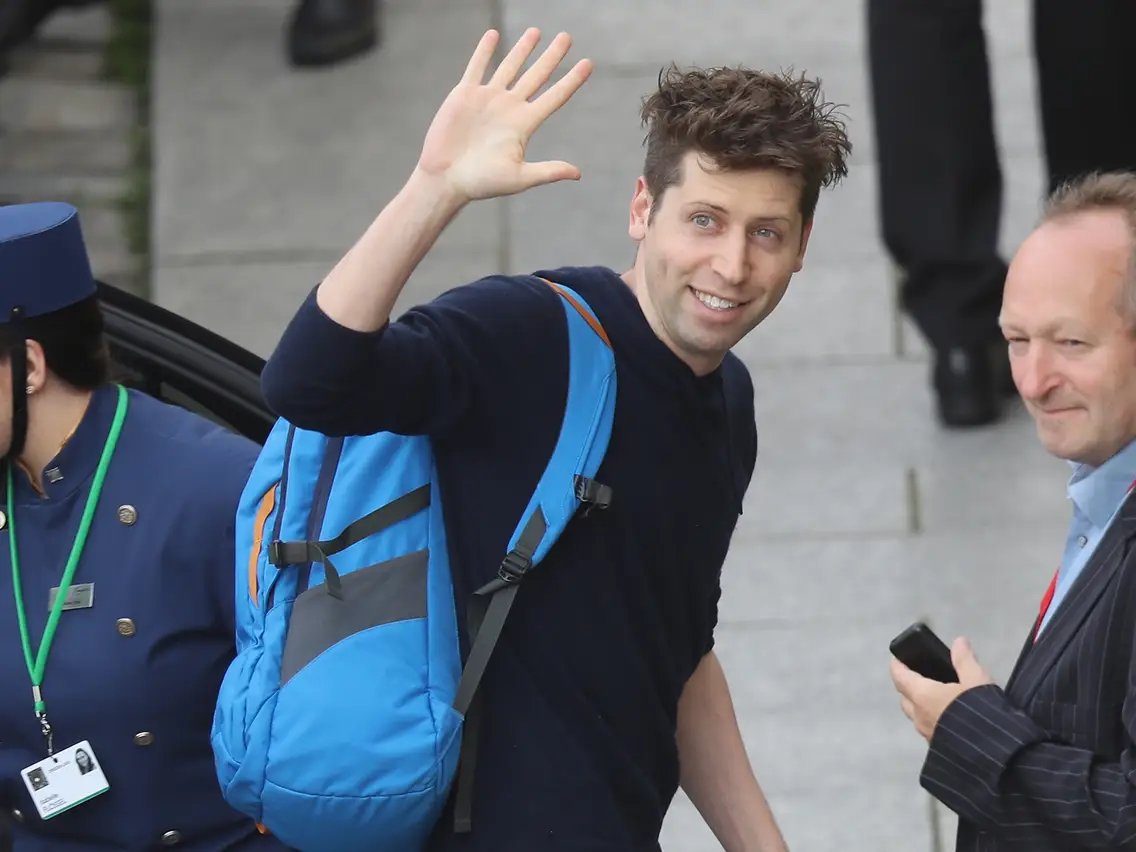
Sam Altman, the CEO and co-founder of OpenAI, recently stepped down from the organization’s safety committee, a body tasked with overseeing the responsible and ethical development of artificial intelligence (AI). This decision has sparked discussions and raised critical questions about the implications of his departure for the future of AI safety and the balance between innovation and regulation in this rapidly evolving field.
PAY ATTENTION: Follow our WhatsApp channel to never miss out on the news that matters to you!
OpenAI has been at the forefront of AI research, driving advancements in natural language processing, reinforcement learning, and other areas of machine learning. The company’s mission is not only to push the boundaries of AI capabilities but also to ensure that these technologies are developed in ways that are safe and beneficial for society. The role of the safety committee is central to this mission, making Altman’s decision to step down a significant event.
This article explores the reasons behind Altman’s departure from the safety committee, the potential impact on OpenAI’s development trajectory, the broader implications for AI governance, and what this means for the future of artificial intelligence as it becomes an increasingly powerful force in society.
[DOWNLOAD OUR MAGAZINE]
A Closer Look at Sam Altman and OpenAI
Sam Altman co-founded OpenAI in 2015 alongside notable figures such as Elon Musk and Greg Brockman, with the ambitious goal of ensuring that the development of AI would benefit humanity as a whole. OpenAI’s mission is to create AI technologies that are both safe and aligned with human values, promoting a future where AI serves the greater good rather than becoming a disruptive or harmful force.
Altman has played a critical role in shaping OpenAI’s direction, particularly as the company has transitioned from a non-profit to a “capped-profit” model to ensure it can attract funding while maintaining a strong ethical commitment to AI development. His leadership has been pivotal in guiding the company through key milestones, including the release of models like GPT-3 and GPT-4, which have set new standards in natural language understanding and generation.
SEE THE LATEST AFRICA TECH BUSINESS GRANT OPPORTUNITIES HERE
However, OpenAI’s mission is not without its complexities. The more powerful AI models become, the greater the risks they pose if misused or improperly managed. This is where OpenAI’s safety committee comes in. The committee’s mandate is to evaluate the ethical and safety implications of the organization’s research and to ensure that AI technologies are deployed in ways that minimize harm.
Given Altman’s prominent role in shaping OpenAI’s vision, his departure from the safety committee raises critical questions about the direction the company will take in managing the risks associated with AI. While Altman remains the CEO, his decision to step away from direct involvement in safety oversight could have far-reaching implications for the company’s approach to balancing innovation with ethical responsibility.
The Role of OpenAI’s Safety Committee
The safety committee at OpenAI is one of the company’s most important bodies. It is responsible for evaluating the potential risks of advanced AI models and providing guidance on how to mitigate those risks. This includes considering not only technical challenges but also broader ethical concerns such as fairness, bias, and the potential societal impacts of AI technologies.
The committee’s work has been particularly important in light of the growing power of AI models like GPT-4, which have demonstrated unprecedented abilities in natural language understanding and generation. While these models hold immense potential for positive applications, they also raise concerns about misuse, such as the creation of disinformation, deepfakes, or harmful autonomous systems.
One of the safety committee’s primary goals is to ensure that AI systems are developed with adequate safeguards in place. This involves rigorous testing, monitoring, and evaluation of AI models to prevent unintended consequences or harmful outcomes. The committee also plays a key role in advising OpenAI on how to engage with policymakers, regulators, and other stakeholders to ensure that AI technologies are governed effectively.
Altman’s involvement in the safety committee has been a crucial part of OpenAI’s efforts to balance the need for innovation with the need for responsibility. His departure from the committee, therefore, has raised concerns about how OpenAI will continue to prioritize safety in its research and development efforts.
[READ MORE IN THE NEWS]
- E-Commerce in Africa 2024: Building Trust and Security in a Digital Boom
- How Africa’s Booming Entrepreneurs are Roaring with Innovation and Opportunity
- Africa’s H2 2024 Investment Landscape: Navigating New Opportunities and Challenges
- Meet the Tôshikas: Meet the 6 African startups finalists.
Why Did Sam Altman Step Down?
While OpenAI has not provided specific reasons for Sam Altman’s departure from the safety committee, there are several potential factors that could have influenced his decision.
First, as CEO, Altman’s responsibilities extend far beyond the oversight of safety issues. OpenAI is growing rapidly, and the demands on Altman’s time and attention are likely increasing as the company scales its operations, expands its product offerings, and pursues new strategic partnerships. Stepping down from the safety committee may allow Altman to focus more on the broader vision and growth of the company.
Second, OpenAI’s shift toward a “capped-profit” model has introduced new financial and operational challenges that require significant attention. This model is designed to ensure that OpenAI remains financially sustainable while staying true to its mission of ensuring that AI benefits all of humanity. As OpenAI continues to grow, Altman may be prioritizing efforts to secure funding, attract top talent, and navigate the competitive landscape of AI research and development.
Lastly, Altman’s decision to step down could reflect a broader organizational strategy aimed at delegating safety oversight to other leaders within the company. By empowering a dedicated team to handle safety issues, Altman can focus on the broader strategic goals of the company while still ensuring that safety remains a top priority.
What Does Altman’s Departure Mean for OpenAI’s Safety Efforts?
Despite Altman’s departure from the safety committee, OpenAI has emphasized that safety remains a core focus of the organization. The company’s commitment to responsible AI development has not changed, and OpenAI continues to invest heavily in safety research, including work on interpretability, robustness, and fairness in AI systems.
In fact, OpenAI’s decision to separate the safety function from Altman’s leadership could be seen as a positive development. By delegating safety oversight to a specialized team of experts, OpenAI may be positioning itself to handle the increasingly complex challenges of AI safety in a more focused and systematic way.
However, Altman’s departure could also signal a shift in priorities. As AI technologies become more powerful and commercially viable, there is a risk that the drive for innovation and profitability could overshadow concerns about safety. Critics of OpenAI have warned that the company’s transition to a “capped-profit” model may create pressures to prioritize growth and revenue over the more cautious and measured approach that is necessary for responsible AI development.
Moreover, Altman’s departure comes at a time when the risks associated with AI are becoming more apparent. The proliferation of AI-powered tools, including those used for surveillance, disinformation, and autonomous decision-making, has raised concerns about the potential for misuse and unintended consequences. OpenAI’s ability to navigate these challenges will depend on how effectively the safety committee and other oversight mechanisms can mitigate these risks.
The Broader Context: AI Governance and Regulation
Altman’s departure from the safety committee also raises questions about the broader governance of AI technologies. As AI systems become more integrated into society, the need for robust regulatory frameworks and ethical oversight has become increasingly urgent.
Several governments and international organizations are actively working on developing regulations for AI. The European Union, for example, has proposed the AI Act, which aims to regulate the use of AI technologies based on their potential risks. In the U.S., the Biden administration has issued guidance on AI regulation and is considering additional measures to address the ethical and safety concerns associated with AI.
OpenAI, as one of the leading developers of AI technologies, is likely to play a central role in shaping the future of AI governance. Altman has previously expressed support for regulatory frameworks that balance innovation with safety, and he has called for greater collaboration between the tech industry and policymakers.
However, Altman’s departure from the safety committee could complicate these efforts. As OpenAI continues to develop more advanced AI models, the company will need to engage with regulators and other stakeholders to ensure that its technologies are deployed in ways that align with societal values and ethical principles.
The Future of AI Safety at OpenAI
Moving forward, OpenAI will need to demonstrate that it remains committed to the responsible development of AI, even without Altman’s direct involvement in the safety committee. This will likely involve strengthening the role of the safety team and ensuring that safety considerations are integrated into every stage of the research and development process.
Additionally, OpenAI may need to engage more actively with external stakeholders, including policymakers, academics, and civil society organizations, to ensure that its safety efforts are transparent and accountable. This could involve greater public disclosure of safety research, more collaboration with independent experts, and increased participation in industry-wide initiatives to promote responsible AI development.
[READ MORE IN THE NEWS]
- Cryptopreacher Raises Alarm Over Brain Jotter Token Scam in Channels TV Interview
- Risevest’s Kenyan Expansion: A Strategic Move for Pan-African Dominance
- The African Startup Landscape: Failure Rates, Success Factors, and the Road Ahead
- Strategies for Marketing African Startups: A Comprehensive Guide (2024)
Altman’s departure from the safety committee is a reminder of the complex and evolving challenges that come with building advanced AI technologies. While OpenAI has made significant strides in AI research, the company’s success will ultimately depend on its ability to manage the risks associated with these technologies and ensure that they are used in ways that benefit society as a whole.
Conclusion
Sam Altman’s decision to step down from OpenAI’s safety committee marks a significant moment for the organization and the broader AI community. As the CEO of one of the most influential AI research companies in the world, Altman’s departure raises questions about the future of AI safety and how OpenAI will continue to balance innovation with ethical responsibility.
While OpenAI has reaffirmed its commitment to AI safety, Altman’s absence from the safety committee could have far-reaching implications for how the company navigates the challenges of developing and deploying advanced AI systems. As AI continues to reshape industries and societies, the need for robust safety mechanisms and ethical oversight will only grow more urgent. OpenAI’s ability to meet these challenges will be critical in determining the future of artificial intelligence and its impact on the world.










Facebook Comments