
Business
Moove Joins Africa’s Unicorn Club — And It Didn’t Get There By Building Another Fintech App
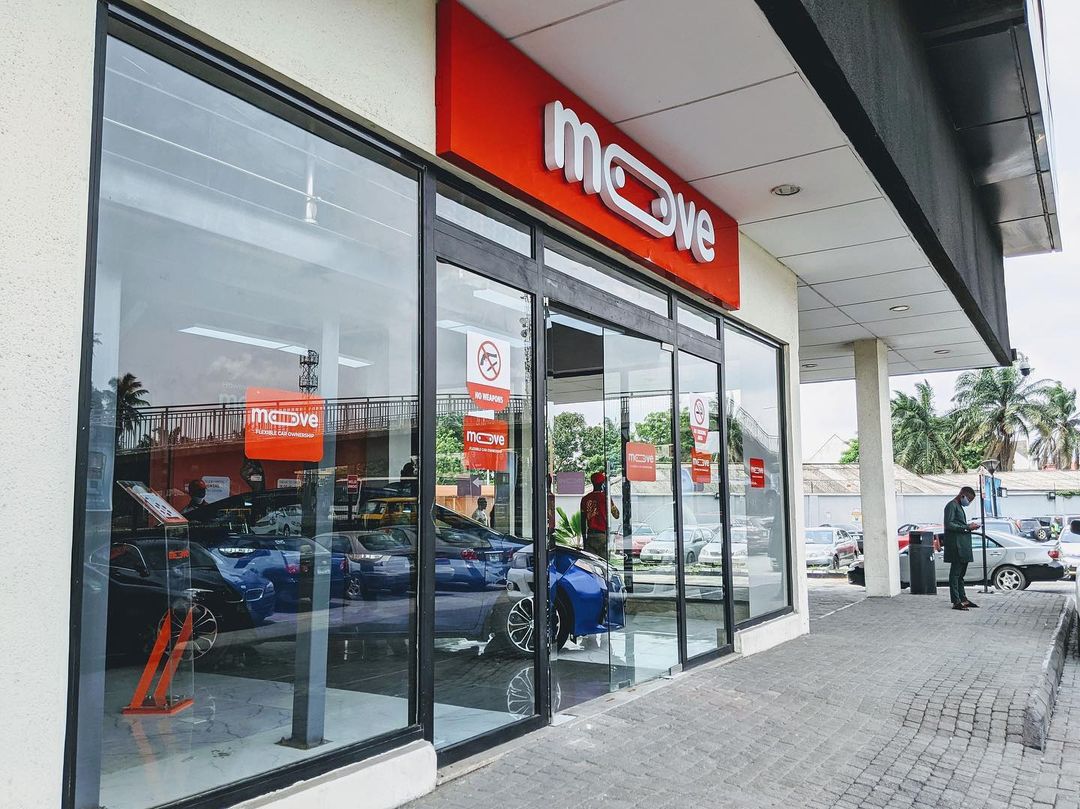
Six years ago, Moove was a scrappy Lagos startup with 76 cars and an idea: let ride-hailing drivers finance vehicles through revenue-based repayments instead of predatory loans. Today, it’s Africa’s newest unicorn, valued at $2.1 billion after closing a $250 million Series C round — and the story of how it got here says a lot about where African tech is heading next.
The Round, In Brief
The Series C was led by Mubadala Investment Company (Abu Dhabi’s sovereign wealth fund), with Woven Capital — Toyota’s growth fund — and Ion Pacific co-leading. That lineup alone is a signal: this isn’t a typical venture round chasing app downloads. It’s strategic capital from an automaker and a sovereign fund, betting on mobility infrastructure.
The new valuation nearly triples where Moove stood in 2024, when it was last valued at $750 million. It also puts Moove in rarefied company — among the handful of African private tech companies with disclosed valuations north of $2 billion, trailing only fintech giants Flutterwave ($3.2B) and OPay ($3.1B).
From 76 Cars to 42,000
Moove’s growth curve is the kind investors dream about. Founded in Lagos in 2020 by Ladi Delano and Jide Odunsi, the company now operates roughly 42,000 vehicles across 29 cities in 13 countries, employs about 3,300 people, and generates $420 million in annual recurring revenue. It has since relocated its headquarters to the UAE, reflecting its expansion well beyond Nigeria and into global mobility markets.
Why Autonomous Vehicles, Why Now
Here’s where the story gets interesting. Moove isn’t raising this money to add more drivers to its platform — it’s pivoting hard into autonomous vehicles. The funds will go toward building “Nests,” purpose-built depots designed to charge, service, and coordinate self-driving fleets around the clock, plus growing Moove’s role as a third-party fleet operator for Waymo.
That autonomous business is already live in Phoenix and Miami, with London lined up as the first international market outside the US. Moove plans to grow its AV-focused workforce from about 150 people to roughly 500 by the end of 2026.
It’s a bold bet: a company that built its name financing human drivers in Lagos traffic is now positioning itself as critical infrastructure for a driverless future in American and European cities. If it works, Moove won’t just be an African success story — it’ll be a genuine player in the global AV supply chain.
A Bigger Signal for African Startups
Zoom out, and this round says something about capital flows into African tech more broadly. According to Africa: The Big Deal, Moove’s $250 million raise is the second-largest African startup funding round of 2026, behind only Spiro’s $270 million round in June. Together, those two deals account for 44% of all equity funding raised by African startups so far this year.
That’s a striking concentration. Rather than capital spreading across dozens of early-stage bets, it’s clustering around a small number of large, already-established companies — Moove included. With roughly $500 million in equity and over $180 million in debt raised to date (nearly $700 million total), Moove now trails only MNT-Halan and Sun King among African startups by combined capital raised.
The Takeaway
Moove’s unicorn moment isn’t just a valuation milestone — it’s a bet by some of the world’s biggest mobility and sovereign capital players that the infrastructure behind autonomous transportation is worth owning early, and that a company born out of Lagos’s driver economy is the one to build it. Whether that bet pays off will play out on the streets of Phoenix, Miami, and soon London — a long way, geographically and strategically, from where this all started.
















Facebook Comments