Business
Cross-border E-commerce Opportunities in Ghana
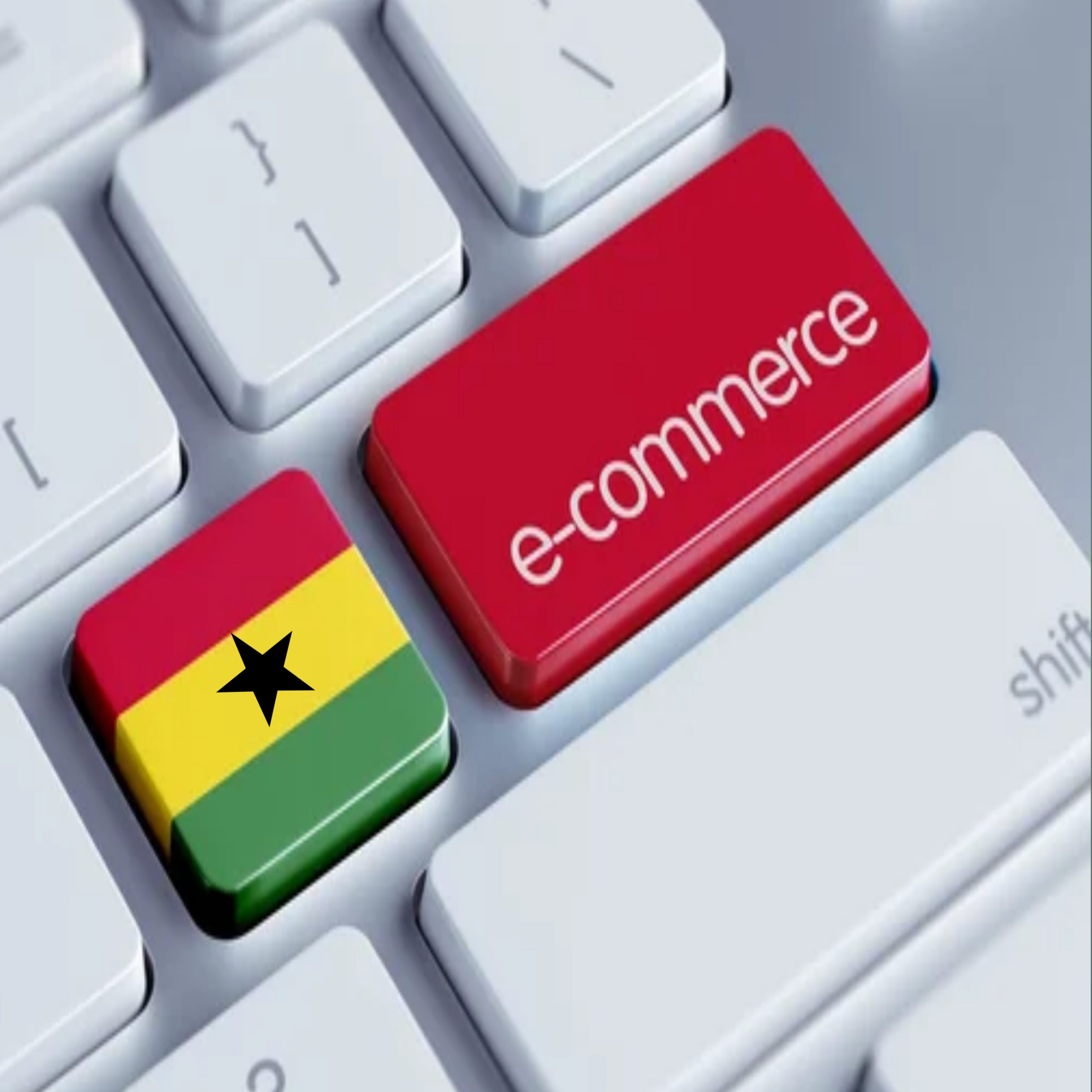
E-commerce is one of the fastest-growing sectors globally, with billions of dollars being transacted online every day. This growth has been particularly notable in Africa, where mobile and internet penetration is increasing, alongside a growing middle class eager to embrace digital platforms. Cross-border e-commerce — where businesses in one country sell products to customers in other countries — is emerging as a key driver of economic growth across the continent.
Ghana, with its strategic location on the west coast of Africa, is well-positioned to tap into this growing global e-commerce market. The country’s vibrant and increasingly tech-savvy population, bolstered by government initiatives aimed at digital transformation, presents substantial opportunities for cross-border e-commerce. Ghana’s rich agricultural resources, thriving small and medium-sized enterprises (SMEs), and increasing digital infrastructure make it an ideal candidate for businesses looking to expand beyond national borders.
This article explores the significant opportunities that cross-border e-commerce offers to Ghana, focusing on export and import potential, the benefits it brings to the economy, challenges facing the industry, and successful case studies. By understanding these factors, stakeholders can leverage the vast potential of e-commerce to drive growth in Ghana’s economy.
PAY ATTENTION: Follow our WhatsApp channel to never miss out on the news that matters to you!
Overview of Ghana’s E-commerce Landscape
Ghana’s e-commerce market is growing rapidly, propelled by a combination of factors including increasing internet penetration, mobile device usage, and government support for digital innovation. According to a 2023 report by Statista, the value of the e-commerce market in Ghana is projected to grow by more than 10% annually, with mobile commerce being the most significant contributor to this growth. Ghana’s tech ecosystem is also thriving, with local start-ups and small businesses tapping into the e-commerce space, despite facing challenges in infrastructure and logistics.
The two leading players in Ghana’s e-commerce market are Jumia and Tonaton. Jumia, often referred to as “Africa’s Amazon,” is the continent’s largest online marketplace and has a significant presence in Ghana. It offers a broad range of products, from electronics to fashion, and provides a platform for small businesses to reach a larger audience. On the other hand, Tonaton, which focuses primarily on classifieds, has also carved out a niche by offering used goods and services.
Beyond these platforms, Ghana has witnessed the rise of many local entrepreneurs utilizing online platforms to sell products and services. This growing digital entrepreneurship ecosystem presents a golden opportunity for cross-border e-commerce.
However, Ghana’s e-commerce growth is not without challenges. The country still faces infrastructure challenges, particularly in logistics and payment systems. For example, limited access to reliable and affordable internet connections in rural areas hampers access to e-commerce platforms. Additionally, the logistics network is underdeveloped, making it difficult to deliver goods efficiently across the country and beyond its borders.
Despite these challenges, the government has initiated several projects, such as the National Communications Authority’s Broadband Policy, which aims to expand internet access. This, coupled with growing mobile penetration, provides a positive outlook for Ghana’s e-commerce future.
Cross-border E-commerce Opportunities in Ghana
Ghana stands at the cusp of a significant cross-border e-commerce opportunity due to its strategic location, growing consumer market, and rich exports. The potential to export and import goods through e-commerce platforms can be a game-changer for the country’s economy.
Export Opportunities
Ghana’s export potential in cross-border e-commerce is significant, especially in sectors like agriculture and handicrafts.
Agricultural Products
Ghana is one of the world’s top producers of cocoa, which is a key export commodity. However, beyond cocoa, Ghana also exports cashews, shea butter, pineapples, and other agricultural products that could benefit from cross-border e-commerce. By leveraging e-commerce platforms, Ghanaian farmers and agribusinesses can easily connect with international buyers, bypassing traditional middlemen and increasing their profit margins.
Handicrafts and Textiles
Ghana has a rich cultural heritage, and its traditional handicrafts and textiles, such as kente cloth, beadwork, and wood carvings, have a growing international market. Platforms like Etsy and eBay allow Ghanaian artisans to reach global customers directly, increasing their visibility and market access. The uniqueness of these products gives Ghana a competitive advantage in the global market.
Food and Beverages
Ghana’s unique food products, including palm oil, dried fish, and traditional snacks, have the potential to attract global consumers interested in authentic African products. Online platforms can help local producers reach markets in North America, Europe, and the Middle East, where there is an increasing demand for international and African foods.
Import Opportunities
While exports offer Ghanaian businesses substantial opportunities, the import sector also stands to benefit significantly from cross-border e-commerce.
Electronics and Gadgets
With a growing middle class and rising disposable incomes, Ghana has seen an increase in demand for electronics and gadgets. Cross-border e-commerce platforms can connect consumers with international brands at competitive prices, offering access to a wider range of products than are available locally.
Fashion and Beauty Products
There is a rising demand for fashion and beauty products in Ghana, particularly among the urban population. Ghanaian consumers are increasingly seeking international brands, which can be facilitated through cross-border e-commerce. By buying directly from international e-commerce stores, consumers can access a broader variety of products, from clothing and cosmetics to accessories and footwear.
Home Appliances and Furniture
As Ghana’s middle class expands, there is an increasing demand for home appliances, furniture, and décor items. Cross-border e-commerce can provide access to affordable, high-quality goods from international sellers, further driving consumption in Ghana.
[READ MORE IN THE NEWS]
- Peer-to-Peer Lending Regulations in Ghana: A Pathway to Financial Inclusion and Stability
- The African E-commerce Odyssey: Innovate, Connect, Prosper
- Africa: The Impact of Technology on African Economies
- Strategies for Marketing African Startups: A Comprehensive Guide (2024)
Regional Trade Agreements and Opportunities
Two major regional agreements provide opportunities for Ghana in cross-border e-commerce: the Economic Community of West African States (ECOWAS) and the African Continental Free Trade Area (AfCFTA). These agreements facilitate trade by reducing tariffs and customs barriers among member countries, providing Ghanaian businesses with easier access to neighboring markets in West Africa and across the continent. AfCFTA, launched in 2021, aims to create a single continental market for goods and services, boosting intra-African trade and offering greater market access for e-commerce businesses in Ghana.
Benefits of Cross-border E-commerce for Ghana
The potential benefits of cross-border e-commerce for Ghana are vast and impactful for its economy.
Increased Access to Global Markets
Cross-border e-commerce allows Ghanaian businesses to tap into the global market, enabling them to expand their reach beyond local consumers and increase their revenue. This access to international buyers and sellers can also help Ghana diversify its exports, reducing dependency on a few sectors such as gold and cocoa.
Economic Growth and Job Creation
By expanding the scope of businesses and industries involved in e-commerce, Ghana stands to benefit from substantial economic growth. As the market for cross-border e-commerce grows, there will be increased demand for logistical services, marketing, IT infrastructure, and customer support, which can create new jobs and promote economic development.
Enhanced Competition and Innovation
The global nature of cross-border e-commerce fosters competition, which drives innovation. Local businesses are exposed to international market trends, customer preferences, and new technologies, pushing them to innovate and enhance their offerings. This competition can lead to higher-quality products, better customer service, and a more competitive economy overall.
Better Prices and Product Variety for Consumers
As businesses source products internationally, consumers in Ghana will benefit from a wider variety of goods at competitive prices. Cross-border e-commerce also introduces greater price transparency, ensuring that consumers can compare prices and make more informed purchasing decisions.
SEE THE LATEST AFRICA TECH BUSINESS GRANT OPPORTUNITIES HERE
Challenges and Solutions for Cross-border E-commerce in Ghana
Despite the clear potential for cross-border e-commerce, there are several challenges that need to be addressed for Ghana to fully capitalize on these opportunities.
Infrastructure Challenges
The lack of reliable transportation and logistics infrastructure poses a major challenge for cross-border e-commerce. Shipping goods across borders can be slow, expensive, and inefficient. To overcome this, public-private partnerships (PPPs) should be encouraged to invest in improving logistics networks, creating efficient delivery channels, and ensuring that goods can be shipped across borders quickly and affordably.
Payment Systems and Security Concerns
While mobile money adoption is growing, Ghana still faces challenges with secure payment systems for cross-border transactions. International payment solutions like PayPal and credit card processing systems should be integrated into local e-commerce platforms. Additionally, financial institutions and governments should prioritize digital payment security to protect users from fraud.
Regulatory Frameworks and Compliance
The regulatory environment for cross-border e-commerce in Ghana is still evolving. Businesses face challenges in navigating customs duties, taxes, and regulations that may hinder seamless cross-border transactions. Simplifying customs processes, reducing tariffs, and creating favorable policies to support e-commerce would significantly benefit the sector.
CLICK HERE TO READ ABOUT OUR UPDATES ON EAST AFRICA
Case Studies
Several Ghanaian businesses are already successfully engaging in cross-border e-commerce, providing valuable lessons for others looking to enter the market.
Jumia Ghana
As one of the most prominent players in the African e-commerce landscape, Jumia has successfully tapped into cross-border e-commerce by offering products from across the continent and the globe to Ghanaians. Its success illustrates the growing demand for online retail and the potential for cross-border e-commerce in the country.
Sankofa African Market
Sankofa is a Ghana-based platform that specializes in exporting African cultural products to the global market. From Kente cloth to traditional art, Sankofa has connected Ghanaian artisans with international buyers, proving the potential for niche markets in cross-border e-commerce.
Cross-border e-commerce in Ghana presents a wealth of opportunities for businesses, consumers, and the broader economy. By leveraging its strategic location, rich resources, and growing digital infrastructure, Ghana can position itself as a leader in the African e-commerce market.
The future of cross-border e-commerce in Ghana looks promising, with the potential to increase exports, provide access to international markets, and contribute to sustainable economic development. To unlock this potential, continued investment in infrastructure, digital payment systems, and regulatory reforms is crucial.
Ghana’s cross-border e-commerce future is bright— and now is the time for businesses and entrepreneurs to seize the opportunity.