
IN THE NEWS
Is the Streaming War in Africa Over? Why Netflix, Amazon, and IROKO Tapped Out
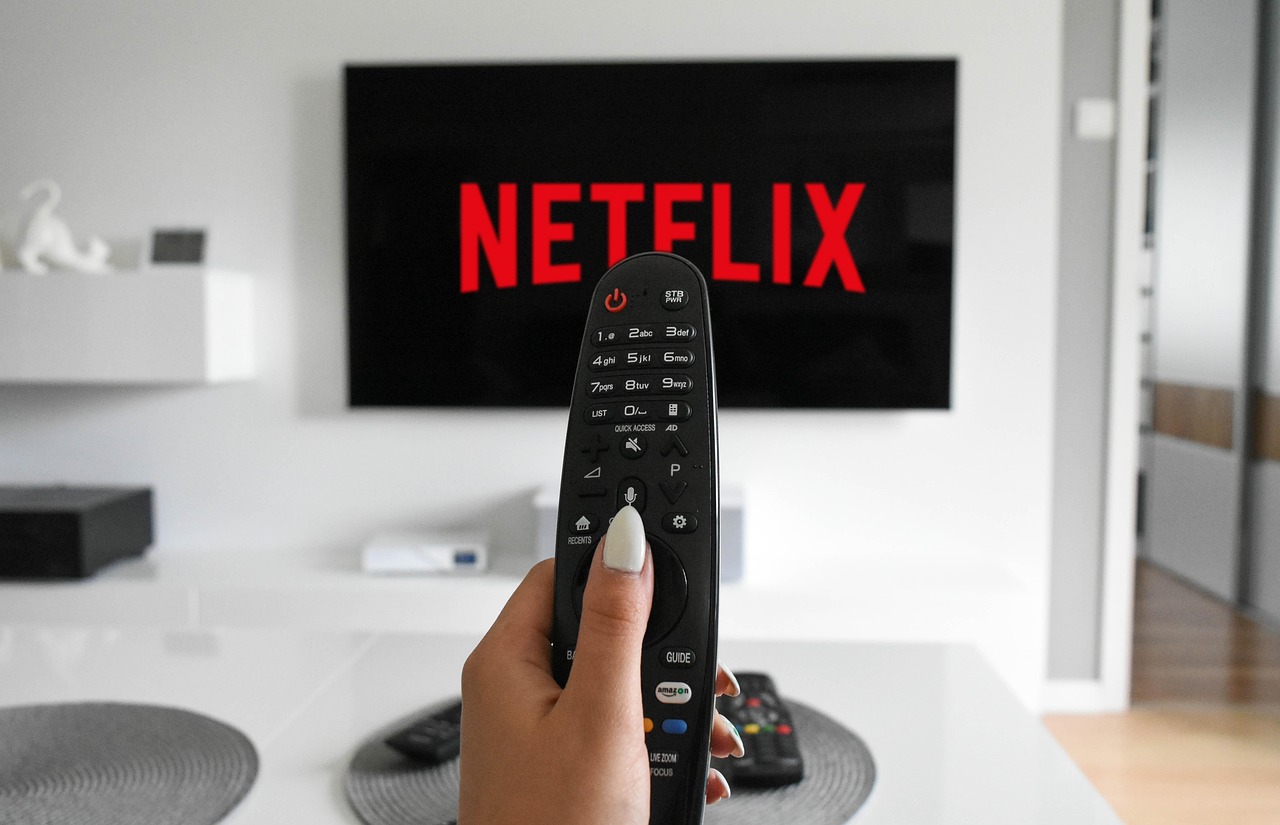
By 2025, a quiet but telling shift has taken place in Africa’s digital entertainment landscape. The streaming giants that once set their sights on Africa’s “next billion” consumers—Netflix, Amazon Prime Video, and IROKOtv—have either scaled back or completely withdrawn from aggressive local market operations. The promise of a booming video-on-demand (VOD) market across the continent, once fueled by a wave of optimistic funding and strategic ambition, has collided with the brutal realities of African economies.
What happened? Was Africa overhyped as a frontier for streaming, or did the platforms underestimate the sheer complexity of localizing a global business model? The truth is more nuanced. Below, we unpack the five biggest factors that led to the retreat of streaming titans in Africa—and what it means for the continent’s media future.
PAY ATTENTION: Follow our WhatsApp channel to never miss out on the news that matters to you!
1. The Infrastructure Mirage: The Illusion of Readiness
Africa’s broadband infrastructure has seen considerable improvement in the last decade, but the reality on the ground is still fragmented, unreliable, and expensive. While urban centers in countries like Nigeria, Kenya, and South Africa have relatively good coverage, the majority of the continent continues to battle with poor connectivity.
Streaming platforms are inherently bandwidth-hungry. Netflix, for example, recommends at least 5 Mbps for HD streaming—an unattainable luxury for millions. Even when 4G is available, network congestion, low data caps, and poor download speeds turn streaming into a frustrating experience. For many users, buffering isn’t just an inconvenience—it’s the default.
IROKOtv tried to circumvent this by launching offline models, kiosks, and peer-to-peer file transfers. They were valiant efforts, but ultimately band-aids on a gaping infrastructure wound. The dream of seamless, high-quality streaming in Africa remains largely aspirational.
2. Foreign Exchange and the Macro-Economic Trap
One of the least glamorous but most damaging issues facing tech companies in Africa is currency instability. For international streamers earning revenue in naira, cedi, or shilling but reporting in dollars or euros, FX risk is a silent killer.
In Nigeria, the devaluation of the naira has wreaked havoc on profit models. Revenue collected in local currency loses significant value when converted to dollars. In an industry with high upfront costs—content acquisition, licensing, platform development—this erosion becomes unsustainable.
IROKOtv’s Jason Njoku has publicly stated that FX issues were among the final nails in the coffin. Even Netflix, with its global cushion, found it hard to justify continued investments when ARPU (Average Revenue Per User) in African markets could be as low as $3 per month—while production and operational costs remained dollar-pegged.
[DOWNLOAD OUR MAGAZINE]
- ALVIN RUME OPHI: INSIDE THE MIND OF A CRYPTO ANALYST
- DONJAZZY: MAKING MILLIONS WITH CRYPTO IN 10 MINUTES
- JUDE OZINEGBE: INSPIRING NEXT GENERATION DIGITAL ECONOMY
- Herbert Wigwe: Everything You Need to Know [WIGWE ODYSSEY]
3. Data Costs and the Myth of Mobile-First
Africa is often celebrated as a mobile-first continent, with over 650 million smartphone users projected by 2025. While true, this statistic masks a painful reality: mobile data remains prohibitively expensive for the majority of users.
In some countries, 1GB of mobile data costs upwards of 5% of average monthly income. A single HD movie could burn through 2-3GB—making regular streaming an upper-class habit, not a mass-market utility.
Streaming services banked on affordable data becoming ubiquitous. That bet didn’t pay off in time. Even innovations like Netflix’s mobile-only plan or YouTube’s data-saving modes haven’t overcome the fundamental barrier: the cost-to-value ratio for the average African user just doesn’t add up.
4. Low GDP Per Capita and the False Premise of Scale
Much of the hype around African streaming was built on population numbers: over 1.4 billion people, 70% under the age of 30, a growing middle class. What many investors ignored—or grossly underestimated—was the difference between population and paying customers.
With an average GDP per capita of around $2,000 in many African countries, a $5 monthly subscription represents a significant discretionary spend. For comparison, that’s like asking an American earning $50,000 annually to pay $125/month for Netflix.
This misalignment crushed unit economics. User acquisition costs were high, churn was rampant, and lifetime value per user was abysmally low. Even freemium models struggled with ad revenues, since local advertising markets were neither deep nor digitally mature.
5. Payment Systems: The Achilles’ Heel of African E-Commerce
While mobile money has transformed micro-payments in East Africa, and fintech has exploded in the past five years, seamless recurring payments remain a major hurdle.
In Nigeria, for example, the lack of universally accepted payment gateways created friction at every stage of the customer journey. Many streaming services couldn’t even guarantee that a customer’s card would be accepted—or that payment wouldn’t fail mid-transaction.
IROKOtv’s early years were plagued with issues around payment integration. They waited months for Interswitch to support their systems. Even global players like Netflix and Amazon faced high failure rates and user drop-offs due to payment issues. When you rely on subscription models, that’s lethal.
[READ MORE]
- Is VeryDarkMan the Future of Digital Whistleblowing in Nigeria?
- Flutterwave Named Among Top 100 Global Cross-Border Payment.
- What Killed IROKOtv? 5 Hard Truths About Tech in Africa.
- Diaspora vs. Domestic: Why African Tech Should Look Beyond the Continent First
- Is the Streaming War in Africa Over?
So, Is the Streaming War Over?
In its current form—yes. The high-growth, VC-fueled dream of building Netflix for Africa has run its course. The continent’s economic, infrastructural, and digital ecosystems aren’t yet mature enough to sustain high-scale, high-margin streaming businesses. But that doesn’t mean content is dead—it means the business model needs a radical rethink.
The winners are pivoting. Instead of trying to force Western models onto African markets, they’re leveraging local advantages:
- ROK Studios, now owned by Canal+, shifted focus to content production and syndication through satellite TV deals.
- YouTube channels with high engagement are turning into mini studios with diversified revenue streams—ads, sponsorships, and merchandising.
- Live events and cinema continue to thrive in places where digital reach is limited.
There’s also a lesson here for startups across the continent: don’t confuse ambition with viability. A large addressable market doesn’t automatically mean a profitable one.
Conclusion: Lessons from the Frontlines
Africa is still one of the most exciting places for innovation—but it’s also one of the hardest places to scale a Western-inspired tech product. The streaming wars were a high-stakes experiment in ambition, optimism, and hard realities.
What killed the streaming dreams? It wasn’t lack of talent. It wasn’t poor storytelling. It wasn’t even the users. It was a perfect storm of macroeconomic instability, infrastructure deficits, and overestimated consumer buying power.
Those still standing will thrive by adapting, localizing, and understanding that Africa is not one market—it’s 54 different countries, each











Facebook Comments