
East Africa
Kenya & Tanzania Launch Strategic Cross‑Border Fibre Link
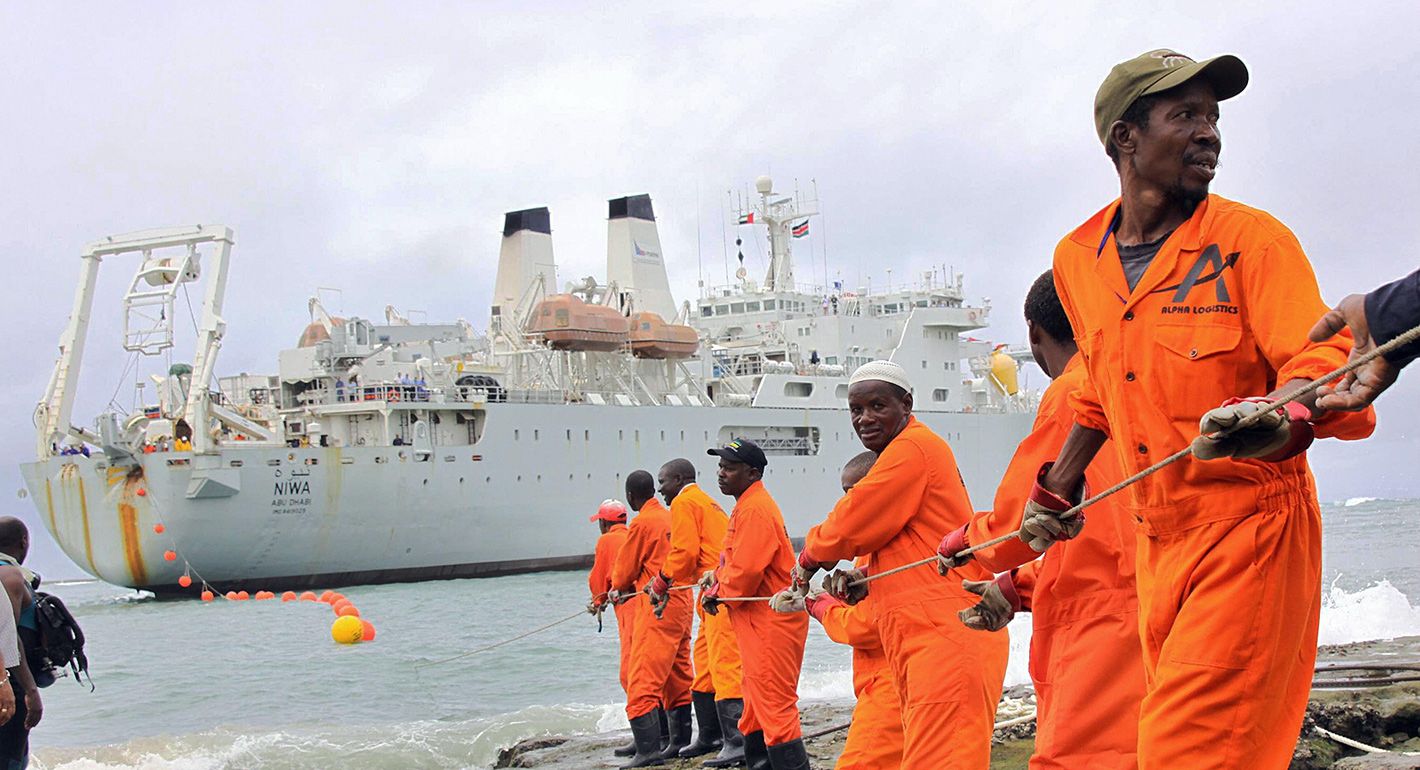
Kenya and Tanzania recently inaugurated a 130 km terrestrial fiber‑optic link connecting Dar es Salaam to Mombasa via the Lunga Lunga/Horohoro border crossing. The project physically integrates Tanzania’s NOFBI (National Optical Fibre Backbone Infrastructure) with Kenya’s NICTBB (National ICT Broadband Backbone), creating a resilient corridor for high-speed, cross-border data transit.
Key Players & Ceremony
The launch on July 18–21, 2025 was officiated by Tanzanian ICT Minister Jerry William Silaa and Kenya’s Cabinet Secretary William Kabogo Gitau, supported by senior public officials from both nations.
At the Horohoro border, both governments framed the project as a significant leap toward East African digital integration, signaling strategic cooperation beyond telecommunications.
🚀 Capacity, Redundancy & Technical Highlights
- The terrestrial route boasts a 1.6 terabits per second (Tbps) capacity, offering a high-capacity fallback to Kenya’s submarine cables in Mombasa.
- Tanzania, currently dependent on three undersea cable landings via Dar es Salaam, now gains an alternate terrestrial route via Kenya’s eight submarine links—dramatically enhancing resilience in case marine cables face disruption.
🌐 Strategic Significance
- For Tanzania: Silaa emphasized the benefit of mitigating risk from submarine cable outages, noting that the new link ensures digital continuity, and solidifies connections with six neighboring countries—Kenya, Uganda, Rwanda, Burundi, Zambia, and Mozambique—with plans to extend reach to the Democratic Republic of Congo.
- For Kenya & the Region: Cabinet Secretary Gitau highlighted the link’s role in accelerating regional trade, digital inclusion, and e‑commerce, as part of Kenya’s wider Digital Transformation Agenda and the African Union’s Agenda 2063.
He added that this infrastructure makes way for a “One Network Area”, harmonized digital policies, and improved regulatory frameworks between the two countries—a foundation for a more secure and integrated digital ecosystem.
TTCL Director‑General Moremi Marwa confirmed the route operates at 1.6 Tbps and underscores Tanzania’s commitment to expanding its terrestrial backbone to full nationwide coverage.
Broader Context & Regional Impact
East Africa’s Cable Ecosystem
- Kenya is a key landing point for multiple submarine cables—including EASSy, SEACOM, and the newer PEACE Cable, offering continental connectivity extending to Europe, Asia, and the Americas.
- Tanzania relies mostly on land-based fiber but has limited submarine landing access, making this terrestrial link vital for redundancy and resilience.
Digital Inclusion & Economic Integration
- Kenya’s internet penetration rate is around 48% (~27 million users), comparatively higher than Tanzania’s—yet the new link aims to reduce costs and improve accessibility, especially for underserved populations.
- The project supports cross-border e‑commerce, digital education, telemedicine, fintech services, and public administration by improving regional data flow and latency.
Policy & Infrastructure Synergies
The fiber link reinforces the importance of aligned regulations, cybersecurity frameworks, and digital trade policies across East African Community (EAC) members, setting a precedent for future inter-country infrastructure projects.
Border Modernization & Smart Hubs
Kenya and Tanzania plan to turn the Horohoro/Lunga Lunga point into a “smart border”—facilitating real‑time data exchange, efficient customs processes, and digital public services along the Kenya‑Tanzania corridor.
Milestones & Metrics Snapshot
| Feature | Detail |
|---|---|
| Route Length | ~130 km terrestrial fiber |
| Capacity | 1.6 Tbps |
| Connected Backbone Systems | NICTBB (Kenya) ↔ NOFBI (Tanzania) |
| Launch Date | July 18–21, 2025 |
| Ceremony Location | Lunga Lunga / Horohoro border |
| Key Officials | Jerry Silaa (Tanzania), William Kabogo (Kenya) |
| Countries Digitally Linked | Kenya, Tanzania, Uganda, Rwanda, Burundi, Zambia, Mozambique; planned link to DRC |
| Strategic Benefits | Resilience, cost reduction, digital trade |
| Regional Agenda Alignment | Kenyan Digital Transformation; AU Agenda 2063 |
What Lies Ahead: Opportunities & Next Steps
Scaling Terrestrial Infrastructure
- Expansion plans aim to connect more Tanzanian districts (109 of 131 already covered) and deepen Kenya’s throughput across counties, reinforcing backbone connectivity nationally.
Lower Data Costs & Improved Access
- Kenya is reportedly offering discounted fiber leasing rates to Tanzania, which can translate into more affordable internet pricing for public and enterprise users in both countries.
Digital Economy & SME Enablement
- The high-capacity corridor will enable SMEs, creatives, and digital entrepreneurs to collaborate and sell services across borders, including tech, creative industries, fintech, and cloud-based platforms.
Policy Harmonization & Cybersecurity
- Seamless regional policy alignment will be essential to maintaining secure cross-border data flows, interoperable frameworks, and competitive ICT investment environments.
Replication in Other Corridors
- This project sets a benchmark for similar linkages within East Africa—potential extensions include Uganda, Rwanda, DRC and integration with SADEC corridors, further knitting together regional digital ecosystems.
Final Thoughts
The launch of the Kenya–Tanzania cross-border terrestrial fiber link marks a pivotal moment in East Africa’s digital integration journey. Beyond technical specifications, it signals a broader strategy:
- Ensuring network resilience by cutting dependency on undersea cables.
- Reducing digital access costs to bridge connectivity gaps across regions.
- Enabling digital trade, e-government services, and cross-border innovation.
- Cementing cross-border collaboration in digital policy, infrastructure, and investment.
As East African nations push toward unified digital markets, this initiative stands as a blueprint for regional cooperation. With further expansion and policy synergy, Kenya and Tanzania are laying the foundation for a truly connected digital East Africa.












Facebook Comments