Technology
Precision Agriculture Startups in Morocco: Transforming the Agricultural Landscape
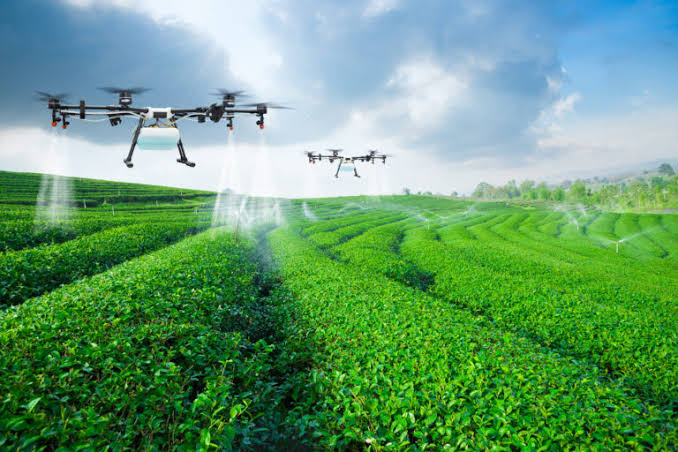
Morocco, with its rich agricultural heritage and diverse ecosystems, is undergoing a transformative shift driven by technological innovation. Precision agriculture is at the forefront of this revolution, offering tailored solutions to enhance farming efficiency, sustainability, and profitability.
By integrating advanced technologies such as IoT, AI, and satellite imaging, precision agriculture empowers farmers to make data-driven decisions about irrigation, fertilization, pest control, and crop management.
Agriculture plays a central role in Morocco’s economy, contributing approximately 19% to the GDP and employing over 40% of the workforce. However, the sector is fraught with challenges, including water scarcity, soil degradation, and climate variability.
Morocco ranks as one of the world’s most water-stressed nations, with agriculture consuming around 87% of its water resources, making efficient resource management critical. Precision agriculture addresses these issues by optimizing input usage, reducing waste, and enhancing yields.
Studies suggest that adopting precision agriculture technologies can boost crop yields by 20-30% while reducing water and fertilizer use by 15-25%. These benefits are particularly significant for Morocco’s key agricultural exports, such as citrus, olives, and tomatoes.
The potential of precision agriculture to transform Morocco’s agricultural landscape makes it a cornerstone of the nation’s broader development and sustainability goals.
PAY ATTENTION: Follow our WhatsApp channel to never miss out on the news that matters to you!
The Rise of Precision Agriculture Startups in Morocco
The rapid growth of precision agriculture startups in Morocco reflects the convergence of technology, policy support, and entrepreneurial spirit. Over the past decade, these startups have introduced innovative solutions tailored to Morocco’s unique agricultural challenges, such as water scarcity and limited arable land.
Key Drivers of Growth:
- Government Support:
Morocco’s government has been instrumental in fostering an ecosystem conducive to precision agriculture. Initiatives such as the Green Morocco Plan (2008-2020) and the Generation Green 2020-2030 strategy emphasize agricultural modernization and technological integration. These programs offer subsidies for smart irrigation systems, funding for research and development, and tax incentives for agri-tech startups
- Access to Capital:
The rise in venture capital investments and international aid has significantly boosted Moroccan agri-tech startups. Organizations like the World Bank, the African Development Bank, and private investors have provided seed funding and growth capital. For instance, the World Bank’s Digital Agriculture Accelerator has supported several Moroccan startups in scaling their operations. - Innovation Hubs:
Cities such as Casablanca, Rabat, and Agadir host innovation hubs and incubators, including Startup Maroc and the Moroccan Association for Advanced Technologies and Innovation (AMATI). These hubs provide technical support, mentorship, and networking opportunities for entrepreneurs.
Global Recognition:
Morocco’s precision agriculture startups are not only addressing domestic challenges but also gaining recognition on the global stage. Several Moroccan startups have been featured at international agri-tech exhibitions, highlighting their role in shaping the future of farming in Africa.
Key Players in Morocco’s Precision Agriculture Startup Ecosystem
Morocco’s precision agriculture ecosystem comprises a growing number of innovative startups that are addressing critical challenges through technology. Below are profiles of some of the leading players:
- AgriEdge
AgriEdge leverages data analytics and AI to provide farmers with actionable insights on crop health, soil fertility, and weather conditions. Their platform has been adopted by over 2,000 farmers, resulting in water savings of up to 30% and yield improvements of 20%. - Atlas Smart Agriculture
Specializing in IoT-based smart irrigation systems, Atlas Smart Agriculture helps farmers optimize water usage, particularly in drought-prone regions. Their solutions are used in key agricultural zones like Souss-Massa, where water scarcity is a persistent challenge. - FarmSense Morocco
FarmSense focuses on pest control through AI-powered detection and prediction systems. Their technology has reduced crop losses due to pest outbreaks by an average of 25% across participating farms. - GreenTech Sahara
This startup pioneers solutions for desert farming, using remote sensing technologies to monitor soil conditions and recommend suitable crops for arid environments. Their work has been instrumental in developing agricultural potential in southern Morocco. - AgriSat Morocco
AgriSat integrates satellite imaging with GIS mapping to provide comprehensive field assessments. Their services enable farmers to make precise decisions about planting schedules and resource allocation.
These startups represent the forefront of Morocco’s precision agriculture revolution, each contributing unique solutions to modernize the sector.
[READ MORE IN THE NEWS]
- Tanzania’s Climate Change Revolution: Empowering Adaptation through Technology
- The African E-commerce Odyssey: Innovate, Connect, Prosper
- Africa: The Impact of Technology on African Economies
- Cross-border E-commerce Opportunities in Ghana (2024)
Technologies Driving Precision Agriculture in Morocco
Precision agriculture thrives on cutting-edge technologies that provide actionable insights and enable efficient resource use. Moroccan startups are leveraging the following key technologies:
Satellite Imaging and Remote Sensing
Satellite imaging provides detailed data on crop health, soil moisture, and weather patterns. Companies like AgriSat utilize satellite data to help farmers identify stressed areas in their fields, reducing waste and optimizing yields.
The Moroccan Space Agency’s collaboration with international partners has enhanced access to high-resolution satellite imagery, driving advancements in this area.
Artificial Intelligence and Machine Learning
LolAI-powered algorithms process vast amounts of agricultural data, offering predictive insights on planting schedules, irrigation needs, and pest outbreaks. For example, AgriEdge’s AI platform has helped farmers increase yields by 20% while reducing input costs.

Internet of Things (IoT) and Sensor Technology
IoT devices such as soil moisture sensors, weather stations, and smart irrigation systems are becoming integral to Moroccan farming. Atlas Smart Agriculture integrates IoT devices with mobile apps, enabling farmers to monitor their fields in real time and make timely decisions.
These technologies are not just tools but enablers of a more efficient and sustainable agricultural system in Morocco.
Challenges and Opportunities in Morocco’s Precision Agriculture Sector
While precision agriculture offers immense potential, startups in Morocco face several challenges:
Challenges:
- Infrastructure Deficiencies: Limited internet connectivity in rural areas hampers the deployment of IoT devices and digital platforms.
- High Costs: The initial investment required for precision agriculture technologies is prohibitive for many smallholder farmers.
- Regulatory Uncertainty: The lack of clear policies regarding data ownership and privacy creates obstacles for startups and farmers alike.
- Skill Gaps: Many farmers lack the technical expertise needed to adopt and operate advanced technologies.
Opportunities:
- Capacity Building: Training programs and workshops can bridge knowledge gaps among farmers.
- Public-Private Partnerships: Collaborations between government bodies, startups, and international agencies can address funding and infrastructure issues.
- Regional Leadership: Morocco’s advancements in precision agriculture position it as a model for other African nations, creating export opportunities for its technologies.
By addressing these challenges, Morocco can fully harness the potential of precision agriculture to achieve its sustainability and economic goals.
SEE THE LATEST AFRICA TECH BUSINESS GRANT OPPORTUNITIES HERE
Government Initiatives and Policies Supporting Precision Agriculture in Morocco
The Moroccan government has taken proactive steps to support the adoption of precision agriculture through various initiatives:
Generation Green 2020-2030:
This flagship strategy focuses on integrating technology into farming practices, with a goal of creating 350,000 new jobs and doubling agricultural exports by 2030.
Digital Agriculture Accelerator Program:
Launched in partnership with the World Bank, this program provides funding and mentorship to precision agriculture startups, ensuring their scalability and long-term success.
Subsidies and Incentives:
The government offers subsidies for smart irrigation systems and tax breaks for startups investing in agricultural innovation.
These policies reflect a commitment to transforming Morocco’s agricultural sector into a modern, technology-driven powerhouse.
CLICK HERE TO READ ABOUT OUR UPDATES ON EAST AFRICA
The Future of Precision Agriculture in Morocco
The future of precision agriculture in Morocco is filled with possibilities. Emerging technologies such as blockchain for supply chain transparency and drones for precision spraying are set to further revolutionize the sector.
By 2030, precision agriculture could boost Morocco’s agricultural productivity by 30%, contributing significantly to GDP growth and rural incomes.
Precision agriculture supports Morocco’s commitment to the United Nations Sustainable Development Goals, particularly in combating water scarcity and reducing greenhouse gas emissions.
Morocco is poised to become a regional leader in precision agriculture, with its startups serving as models for innovation and sustainability across Africa.
To realize this potential, stakeholders must collaborate to address challenges, invest in infrastructure, and promote awareness of the benefits of precision agriculture.