East Africa
Tanzania’s Climate Change Revolution: Empowering Adaptation through Technology
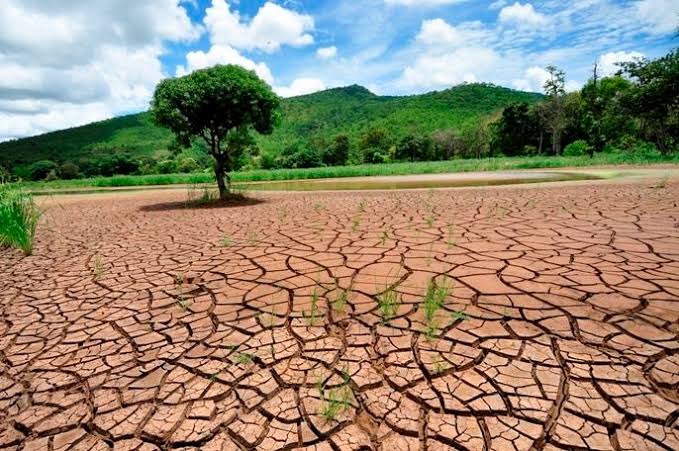
Climate change adaptation technologies refer to tools, practices, and systems designed to help communities, ecosystems, and economies cope with the adverse impacts of climate variability. These technologies can be categorized into physical tools (like irrigation systems), institutional innovations (such as policies), and social measures (like community awareness programs). Their primary goal is to enhance resilience and reduce vulnerability to climate-induced challenges.
Tanzania, with its dependence on agriculture and natural resources, is highly vulnerable to climate change. Prolonged droughts, unpredictable rainfall, and severe floods have disrupted farming systems, endangered water supplies, and led to increased food insecurity. With agriculture contributing over 30% of Tanzania’s GDP and employing about 65% of its workforce, the stakes are high. Adoption of climate adaptation technologies is critical to protecting livelihoods, boosting economic resilience, and fostering sustainable development in the face of climate uncertainties.
This article explores how Tanzania can mitigate the impacts of climate change through the adoption of adaptation technologies. It examines the challenges faced by the country, evaluates existing solutions, and proposes pathways for improved implementation.
PAY ATTENTION: Follow our WhatsApp channel to never miss out on the news that matters to you!
Climate Change Impacts in Tanzania
Tanzania’s climate is becoming increasingly unpredictable. Since the 1960s, the country has experienced a 1.0°C rise in temperatures, and projections suggest a further increase of 1.5°C to 3.0°C by 2050. Rainfall patterns are also becoming erratic, with some regions experiencing prolonged droughts while others face devastating floods.
Impact on Agriculture
Agriculture, which sustains millions, is highly climate-sensitive. Droughts reduce crop yields and affect livestock health, while floods destroy farmlands and infrastructure. For instance, the drought of 2016–2017 resulted in a 60% decline in maize production in some regions, exacerbating food insecurity.
Impact on Water Resources
Water availability is becoming increasingly strained due to reduced rainfall and over-extraction. Major rivers, including the Pangani and Rufiji, are facing declining flows, jeopardizing irrigation, hydropower generation, and drinking water supplies.
Impact on Human Health and Infrastructure
Rising temperatures and floods have contributed to the spread of vector-borne diseases like malaria and cholera. Infrastructure such as roads, bridges, and buildings often cannot withstand extreme weather events, leading to costly repairs and economic disruptions.
Climate Change Adaptation Technologies: An Overview
Climate change adaptation technologies are solutions that reduce vulnerability to climate impacts while enhancing resilience. They can be categorized into:
- Physical Technologies: Tools like irrigation systems, weather-resistant crop varieties, and flood barriers.
- Institutional Innovations: Policies, programs, and organizational frameworks that support adaptation, such as early warning systems.
- Social Measures: Community-driven actions like awareness campaigns and cooperative resource management.
Examples of Adaptation Technologies
- Irrigation Systems: Drip and sprinkler irrigation optimize water use, ensuring crops survive during dry spells.
- Drought-Tolerant Crops: Varieties like NERICA rice and drought-tolerant maize enhance productivity in arid areas.
- Flood-Resistant Construction: Elevated homes and reinforced structures reduce the impact of flooding on households.
[READ MORE IN THE NEWS]
- Peer-to-Peer Lending Regulations in Ghana: A Pathway to Financial Inclusion and Stability
- The African E-commerce Odyssey: Innovate, Connect, Prosper
- Africa: The Impact of Technology on African Economies
- Cross-border E-commerce Opportunities in Ghana (2024)
Climate-Smart Agriculture in Tanzania
Overview of Climate-Smart Agriculture (CSA)
Climate-smart agriculture is a holistic approach that integrates sustainable farming practices to address food security while adapting to and mitigating climate change. CSA emphasizes increased productivity, enhanced resilience, and reduced greenhouse gas emissions.
Examples of CSA Technologies in Tanzania
- Conservation Agriculture: Practices like minimum tillage, crop rotation, and cover cropping help improve soil health and water retention.
- Agroforestry: Integration of trees into farming systems provides shade, reduces soil erosion, and enhances biodiversity.
- Crop Insurance: Weather-indexed insurance protects farmers against losses from extreme weather events.
Benefits and Challenges
CSA enhances food security, boosts farmer incomes, and promotes sustainable land use. However, its adoption is hindered by limited access to knowledge, funding, and technical support. Strengthening extension services and financing mechanisms is vital for scaling these practices.
Water Management Technologies for Climate Change Adaptation
Effective water management is essential for addressing the challenges posed by climate change in Tanzania. Erratic rainfall, prolonged droughts, and increasing demand for water have created significant pressures on water resources.
Examples of Water Management Technologies
- Rainwater Harvesting: Simple technologies like rooftop collection systems provide an alternative water source during dry periods.
- Groundwater Recharge Techniques: Methods such as constructing check dams and infiltration basins enhance groundwater reserves.
- Water-Efficient Irrigation: Techniques like drip irrigation ensure efficient use of limited water resources, reducing wastage.
Benefits and Challenges
Implementing these technologies improves water availability, supports agriculture, and reduces competition for scarce resources. However, challenges include high initial costs, limited technical expertise, and inadequate policy support. Increased investment and community participation are key to overcoming these barriers.
SEE THE LATEST AFRICA TECH BUSINESS GRANT OPPORTUNITIES HERE
Climate-Resilient Infrastructure in Tanzania
The intensification of extreme weather events has exposed the vulnerability of Tanzania’s infrastructure. Roads, bridges, and buildings are frequently damaged by floods, leading to economic losses and disruptions.
Examples of Climate-Resilient Infrastructure
- Flood-Resistant Roads: Elevated road designs and permeable pavements reduce flood risks and improve durability.
- Sea Walls and Coastal Barriers: These structures protect coastal areas from erosion and storm surges.
- Climate-Resilient Buildings: Use of reinforced materials and elevated designs ensures buildings withstand extreme weather.
Benefits and Challenges
Investing in resilient infrastructure reduces long-term maintenance costs and ensures continuity of economic activities. However, implementation requires significant financial resources and technical expertise, which are often limited in developing countries like Tanzania. Public-private partnerships and international support can play a critical role in bridging these gaps.
CLICK HERE TO READ ABOUT OUR UPDATES ON EAST AFRICA
Institutional and Policy Frameworks for Climate Change Adaptation
Tanzania has made strides in establishing policies to address climate change. The National Climate Change Strategy (2012) and the Climate Change Policy provide a foundation for action.
Key Policies and Initiatives
- National Adaptation Programme of Action (NAPA): Identifies priority areas for adaptation, including agriculture, water, and energy.
- Tanzania Meteorological Authority (TMA): Provides weather forecasts and early warning systems to reduce disaster risks.
Challenges and Opportunities
Despite these efforts, gaps remain in policy implementation, coordination, and financing. Strengthening institutional capacity, fostering stakeholder collaboration, and enhancing transparency are crucial for effective adaptation.
Conclusion
Tanzania’s vulnerability to climate change necessitates urgent action. This article has highlighted the impacts of climate change on critical sectors and outlined adaptation technologies and strategies to mitigate these effects. Scaling up climate-smart agriculture, improving water management, and investing in resilient infrastructure are vital steps toward building a sustainable future.
Future efforts should focus on integrating scientific research, traditional knowledge, and community participation. Additionally, fostering partnerships with international organizations and private stakeholders can accelerate the adoption of climate adaptation technologies.
To ensure a climate-resilient Tanzania, all stakeholders—including the government, private sector, and local communities—must collaborate in mobilizing resources, enhancing awareness, and driving innovation in climate adaptation technologies. Only through concerted efforts can Tanzania secure a sustainable and resilient future.