Technology
Top Mobile Commerce Trends in South Africa for 2024
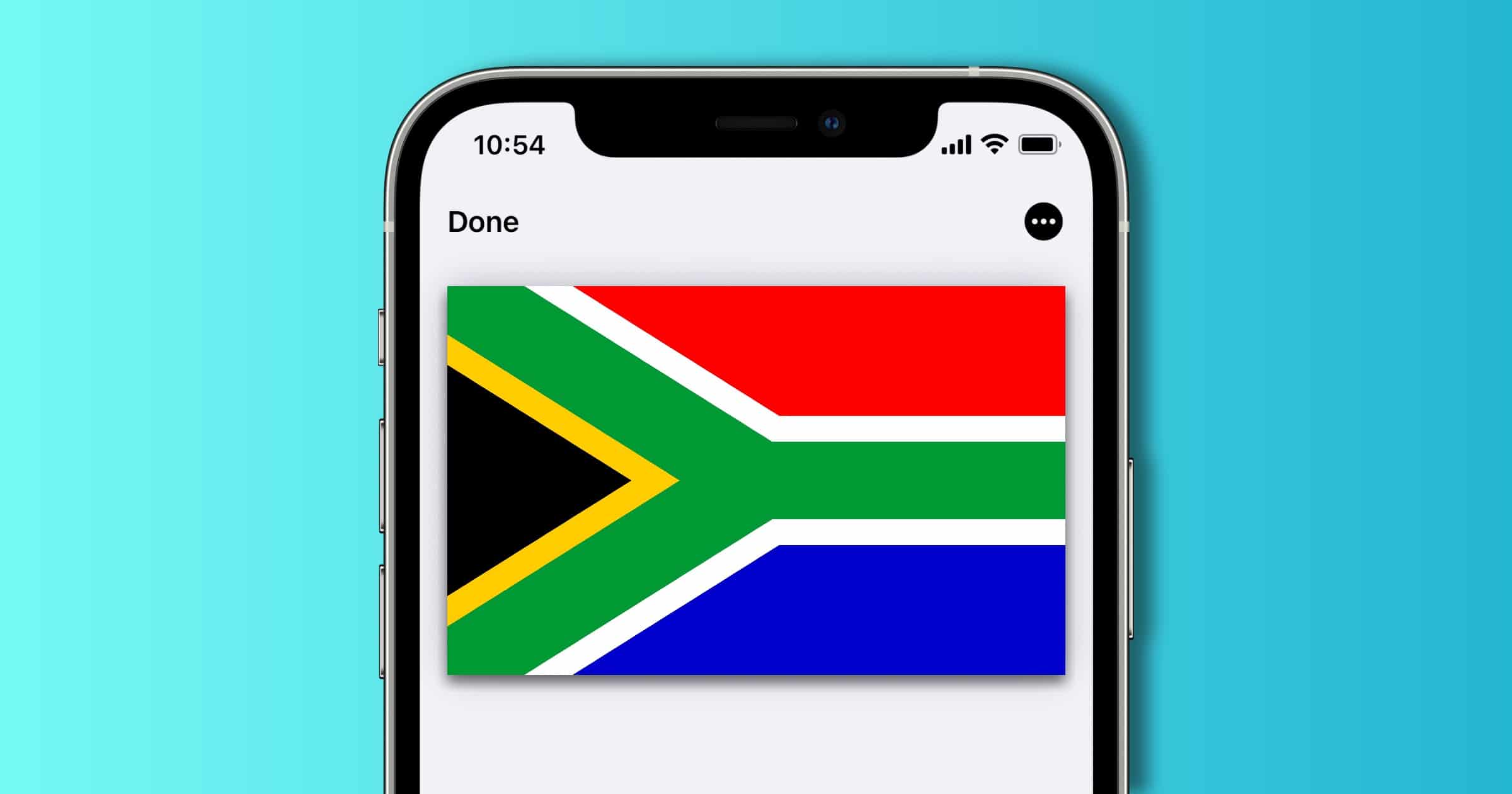
The e-commerce landscape in South Africa has undergone significant transformation over the past decade. With the rise of mobile technology, mobile commerce (m-commerce) has emerged as a dominant force within this landscape. As more South Africans gain access to smartphones and the internet, businesses are increasingly focusing on mobile-first strategies to reach consumers. Understanding the trends driving mobile commerce is crucial for businesses seeking to thrive in this competitive market. This article explores the key trends in mobile commerce in South Africa, the factors shaping consumer behavior, the role of technology, and the challenges and opportunities within the sector.
PAY ATTENTION: Follow our WhatsApp channel to never miss out on the news that matters to you!
The South African Mobile Landscape
Smartphone Penetration Rates and Demographics
South Africa has one of the highest rates of smartphone penetration in Africa, with a significant portion of the population owning a smartphone. According to recent reports, over 90% of South African adults own a mobile phone, with a growing number of these being smartphones. The demographic breakdown shows that younger consumers, particularly those between the ages of 18 and 34, are the most active users of smartphones. This age group is also the most likely to engage in mobile commerce, making them a key target for businesses.
Mobile Internet Usage Patterns
The widespread availability of mobile internet has been a major driver of mobile commerce in South Africa. Many consumers now rely on their smartphones for internet access, with mobile data plans becoming more affordable. Mobile internet usage is characterized by frequent and short browsing sessions, often driven by social media, messaging apps, and online shopping. As a result, businesses are optimizing their websites and apps for mobile users, ensuring a seamless and engaging experience.
Consumer Behavior and Preferences
South African consumers are increasingly comfortable with making purchases via their smartphones. Convenience, speed, and accessibility are some of the factors that drive mobile shopping. Consumers prefer mobile platforms that offer easy navigation, quick checkout processes, and secure payment options. Moreover, the rise of social commerce, where consumers discover and purchase products directly through social media platforms, has further influenced mobile shopping behavior.
Challenges and Opportunities in the Mobile Ecosystem
While the growth of mobile commerce presents numerous opportunities, it also comes with challenges. One of the primary challenges is the high cost of mobile data, which can limit internet access for lower-income consumers. Additionally, issues related to payment security and fraud continue to concern both consumers and businesses. However, these challenges also present opportunities for innovation, such as the development of more affordable data plans, secure mobile payment solutions, and mobile apps that work efficiently even in low-bandwidth environments.
[DOWNLOAD OUR MAGAZINE]
- DONJAZZY: MAKING MILLIONS WITH CRYPTO IN 10 MINUTES
- JUDE OZINEGBE: INSPIRING NEXT GENERATION DIGITAL ECONOMY
- Herbert Wigwe: Everything You Need to Know [WIGWE ODYSSEY]
Key Trends in Mobile Commerce
Mobile-First Design and Optimization
As mobile devices become the primary means of accessing the internet, businesses are adopting mobile-first design strategies. This involves designing websites and apps with mobile users in mind from the outset, rather than retrofitting desktop sites for mobile. Mobile-first design prioritizes features like fast load times, easy navigation, and responsive layouts that adapt to different screen sizes. The goal is to create an intuitive and enjoyable user experience that encourages consumers to browse and make purchases via their smartphones.
Mobile Payments and Digital Wallets
The adoption of mobile payments and digital wallets has been a game-changer for mobile commerce in South Africa. Services like SnapScan, Zapper, and the rise of mobile banking apps have made it easier for consumers to make secure payments directly from their smartphones. Additionally, the growth of digital wallets, which allow users to store payment information and make quick transactions, has further streamlined the purchasing process. These payment options are particularly appealing to younger consumers who prioritize convenience and security.
Social Commerce and Influencer Marketing
Social media platforms like Instagram, Facebook, and Twitter have become powerful tools for driving mobile commerce. Social commerce involves the use of social media to promote and sell products directly to consumers. Influencer marketing, where brands collaborate with social media personalities to reach their target audience, is a key component of social commerce. Influencers have the ability to create authentic connections with their followers, making their endorsements highly effective in driving sales. As a result, businesses are increasingly investing in social commerce strategies to engage consumers and boost mobile sales.
Mobile Advertising and Marketing
Mobile advertising has become an essential part of the marketing mix for businesses in South Africa. With consumers spending more time on their smartphones, targeted mobile ads offer a direct way to reach potential customers. Mobile marketing strategies include in-app advertising, SMS marketing, and push notifications, all of which can be tailored to specific user segments. The ability to track and analyze the effectiveness of mobile ads in real-time allows businesses to optimize their campaigns and maximize return on investment.
The Role of Mobile Apps in E-commerce
Mobile apps have become a critical tool for e-commerce businesses, offering a more personalized and engaging shopping experience compared to mobile websites. Apps allow businesses to gather detailed data on user behavior, which can be used to deliver targeted offers and recommendations. Additionally, mobile apps often feature advanced functionalities, such as one-click purchasing, personalized notifications, and loyalty programs, which enhance the overall shopping experience. As a result, many businesses are investing in the development of mobile apps to drive customer engagement and increase sales.
Mobile Commerce and Consumer Behavior
Mobile Shopping Journey: From Product Discovery to Purchase
The mobile shopping journey typically begins with product discovery, which often occurs through social media, search engines, or mobile apps. Once a consumer discovers a product, they may browse additional options, read reviews, and compare prices before making a purchase decision. The mobile platform enables consumers to complete the entire shopping journey—from discovery to payment—without leaving their device. This convenience has contributed to the growing popularity of mobile commerce in South Africa.
Impact of Mobile on Impulse Buying
Mobile commerce has significantly increased the likelihood of impulse buying. The ease of browsing and the availability of mobile payment options make it simple for consumers to make spontaneous purchases. Features like personalized recommendations and limited-time offers can trigger impulse buys, especially when consumers are presented with products that match their preferences. Businesses can capitalize on this trend by designing mobile experiences that encourage quick decision-making and reduce friction in the purchasing process.
The Role of Mobile in Customer Loyalty Programs
Mobile platforms play a crucial role in customer loyalty programs. Many businesses offer mobile apps that allow customers to earn and redeem loyalty points, receive personalized offers, and stay informed about promotions. Mobile-based loyalty programs are highly effective because they are easily accessible and can be integrated with other mobile commerce activities, such as purchasing and browsing. By leveraging mobile technology, businesses can create more engaging and rewarding loyalty programs that drive repeat purchases and customer retention.
[READ MORE IN THE NEWS]
- E-Commerce in Africa 2024: Building Trust and Security in a Digital Boom
- How Africa’s Booming Entrepreneurs are Roaring with Innovation and Opportunity
- The African Startup Landscape: Failure Rates, Success Factors, and the Road Ahead
- Strategies for Marketing African Startups: A Comprehensive Guide (2024)
The Role of Technology
Artificial Intelligence and Machine Learning
Artificial intelligence (AI) and machine learning (ML) are transforming the mobile commerce landscape by enabling more personalized and efficient shopping experiences. AI-powered algorithms can analyze user behavior and preferences to deliver tailored product recommendations and targeted marketing messages. Additionally, AI can be used to optimize pricing strategies, manage inventory, and enhance customer service through chatbots. As AI and ML technologies continue to advance, they will play an increasingly important role in shaping the future of mobile commerce.
Augmented Reality and Virtual Reality
Augmented reality (AR) and virtual reality (VR) technologies offer new possibilities for mobile commerce by creating immersive shopping experiences. AR allows consumers to visualize products in their real-world environment, such as trying on virtual clothing or seeing how furniture would look in their home. VR provides a fully immersive experience, enabling consumers to explore virtual stores or participate in interactive shopping events. While these technologies are still in the early stages of adoption, they have the potential to revolutionize the way consumers shop on their mobile devices.
Mobile Payment Security
As mobile commerce continues to grow, ensuring the security of mobile payments is a top priority for businesses and consumers alike. Advances in mobile payment security, such as biometric authentication (e.g., fingerprint or facial recognition) and encryption technologies, have made mobile transactions more secure. However, businesses must remain vigilant in protecting customer data and preventing fraud. Implementing robust security measures and educating consumers about safe mobile payment practices are essential for building trust and encouraging the continued adoption of mobile commerce.
Challenges and Opportunities
Overcoming Infrastructure Challenges
One of the main challenges facing mobile commerce in South Africa is the state of the country’s infrastructure. While smartphone penetration is high, inconsistent internet connectivity, particularly in rural areas, can hinder the growth of mobile commerce. To overcome this challenge, businesses and government agencies must work together to improve internet infrastructure and expand access to affordable mobile data. By addressing these infrastructure challenges, businesses can reach a wider audience and unlock new opportunities for growth.
Addressing Data Privacy and Security Concerns
Data privacy and security are major concerns for consumers engaging in mobile commerce. The collection and use of personal data by businesses, combined with the risk of cyberattacks, have made consumers more cautious about sharing their information online. To address these concerns, businesses must comply with data protection regulations and implement strong security measures to protect customer data. Transparent communication with customers about how their data is used and the steps taken to safeguard it can also help build trust and confidence in mobile commerce.
Leveraging Mobile Commerce for Financial Inclusion
Mobile commerce presents an opportunity to enhance financial inclusion in South Africa, particularly for individuals who are underserved by traditional banking services. Mobile payment solutions and digital wallets provide an accessible and convenient way for consumers to participate in the digital economy. By offering mobile payment options that do not require a bank account, businesses can tap into a larger market of consumers who may have been excluded from e-commerce due to financial barriers. This approach not only drives business growth but also contributes to the broader goal of financial inclusion.
The Role of Government Policies and Regulations
Government policies and regulations play a crucial role in shaping the mobile commerce landscape in South Africa. Supportive policies, such as those promoting digital literacy, improving internet infrastructure, and protecting consumer rights, can create an environment conducive to the growth of mobile commerce. Additionally, regulations that address issues like data privacy and cybersecurity are essential for building consumer trust and ensuring the long-term success of mobile commerce. Collaboration between the government, private sector, and other stakeholders is necessary to create a regulatory framework that supports the sustainable growth of mobile commerce in South Africa. By fostering an environment that encourages innovation while protecting consumer interests, the government can help ensure that mobile commerce continues to thrive.
SEE THE LATEST AFRICA TECH BUSINESS GRANT OPPORTUNITIES HERE
Case Studies of Successful Mobile Commerce Initiatives
To better understand the practical application of these trends, let’s look at some successful mobile commerce initiatives in South Africa.
Yoco
Yoco, a South African fintech company, has made significant strides in mobile payments, particularly among small and medium-sized enterprises (SMEs). Their mobile point-of-sale (mPOS) devices allow businesses to accept card payments via smartphones, making it easier for small businesses to participate in the digital economy. Yoco’s success lies in its focus on simplicity, affordability, and addressing the specific needs of the local market. By offering a solution that bridges the gap between traditional banking and the needs of small business owners, Yoco has become a key player in South Africa’s mobile commerce ecosystem.
Superbalist
Superbalist, one of South Africa’s leading online fashion retailers, has effectively leveraged mobile commerce to reach a wide audience. The company’s mobile app offers a seamless shopping experience, complete with personalized recommendations, push notifications for sales, and easy navigation. Superbalist’s focus on mobile-first design and its robust mobile marketing strategies, including social media advertising and influencer collaborations, have contributed to its success. By understanding and catering to the mobile shopping habits of their customers, Superbalist has solidified its position as a leader in the South African e-commerce market.
SnapScan
SnapScan is another mobile payment solution that has gained widespread adoption in South Africa. It allows users to make payments by scanning a QR code with their smartphones, making transactions quick and easy. SnapScan’s user-friendly interface and focus on security have made it popular among both consumers and businesses. The app’s success highlights the importance of addressing local needs—such as the demand for convenient and secure payment options—in driving mobile commerce adoption.
CLICK HERE TO READ ABOUT OUR UPDATES ON EAST AFRICA
The Future of Mobile Commerce in South Africa
As mobile commerce continues to evolve, several emerging trends and technologies are expected to shape its future in South Africa.
Emerging Trends and Technologies
One of the most anticipated developments is the rollout of 5G technology, which promises faster internet speeds and more reliable connections. The increased bandwidth and reduced latency of 5G will enhance the mobile shopping experience, enabling richer content, faster loading times, and more seamless interactions. This could lead to a rise in the adoption of technologies like augmented reality (AR) and virtual reality (VR) in mobile commerce, allowing consumers to engage with products in new and innovative ways.
The Impact of 5G on Mobile Commerce
The introduction of 5G networks is likely to have a profound impact on mobile commerce in South Africa. With faster internet speeds and more stable connections, consumers will experience improved performance when using mobile apps and websites. This will make it easier for businesses to offer more advanced features, such as real-time video consultations, live streaming of product launches, and more immersive shopping experiences through AR and VR. The enhanced capabilities of 5G will also enable businesses to collect and analyze data more effectively, leading to better-targeted marketing and personalized customer experiences.
The Role of Mobile Commerce in Driving Economic Growth
Mobile commerce has the potential to drive significant economic growth in South Africa by increasing access to the digital economy. As more consumers and businesses adopt mobile technologies, there will be opportunities to create new jobs, particularly in the tech and retail sectors. Additionally, mobile commerce can help bridge the digital divide by providing underserved populations with access to goods and services that were previously out of reach. By fostering entrepreneurship and innovation, mobile commerce can contribute to broader economic development and improve the standard of living for many South Africans.
The rise of mobile commerce in South Africa represents a significant shift in the way consumers and businesses interact with the digital economy. As smartphone penetration continues to increase and mobile internet access becomes more widespread, businesses must adapt to the changing landscape by embracing mobile-first strategies. The key trends driving mobile commerce—such as mobile payments, social commerce, and mobile advertising—offer both challenges and opportunities for businesses. By staying ahead of these trends and leveraging emerging technologies, businesses can create engaging and secure mobile experiences that drive customer loyalty and boost sales.
However, the success of mobile commerce in South Africa also depends on addressing infrastructure challenges, ensuring data privacy and security, and creating a supportive regulatory environment. Collaboration between the government, private sector, and other stakeholders will be essential in overcoming these challenges and unlocking the full potential of mobile commerce.
As we look to the future, it is clear that mobile commerce will play an increasingly important role in South Africa’s economic growth. By understanding and adapting to the evolving mobile landscape, businesses can not only thrive in the competitive e-commerce market but also contribute to the broader goal of financial inclusion and digital empowerment.