
East Africa
Uber Boda Rolls Out Enhanced Safety & Sustainability Features in Kenya
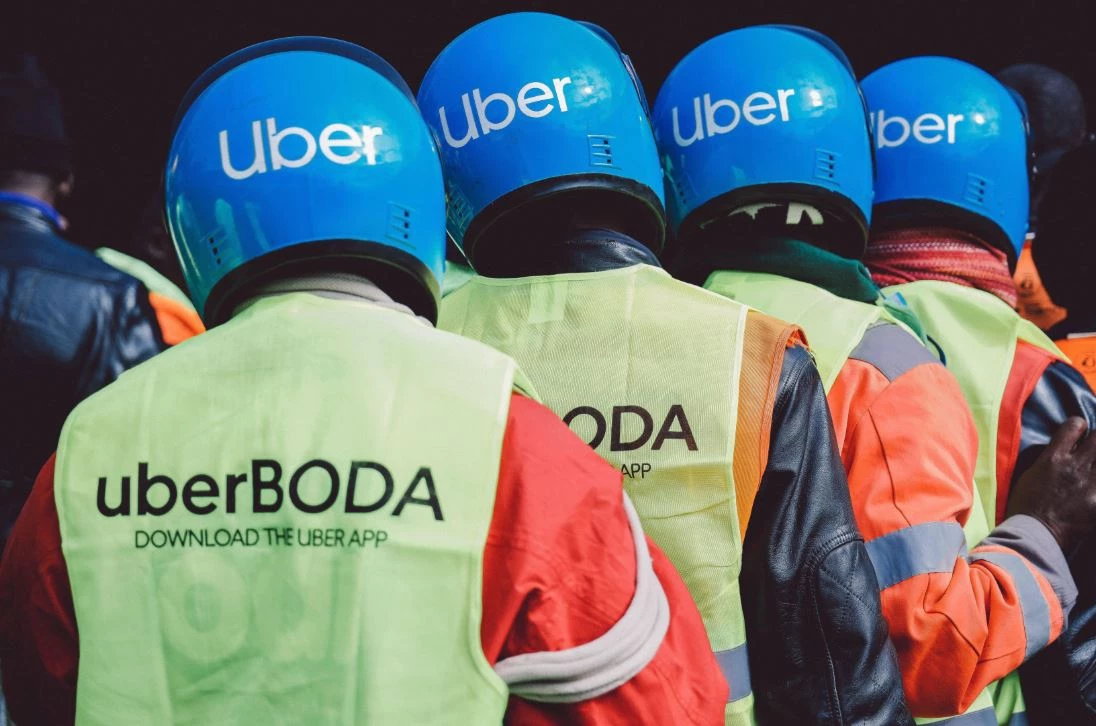
Uber Kenya recently introduced a suite of upgraded safety and sustainability tools for its Uber Boda motorcycle taxi service—raising the bar for safety and professionalism in Kenya’s two-wheeler ride-hailing sector.
What’s New for Uber Boda Users
Uber has adapted safety protocols from its car platform to meet the unique needs of motorcycle travel:
- Real‑time GPS trip tracking from pickup to drop-off, recorded for accountability.
- In-app emergency button, providing instant access to trusted private security responders.
- Share My Trip / Trusted Contacts, enabling riders to share live trip details (route & ETA) with up to five contacts.
PAY ATTENTION: Follow our WhatsApp channel to never miss out on the news that matters to you!
- Driver verification & profiling, including visible driver identity, rating, and license plate details before confirming a ride.
- Professional training & background checks for all driver-partners focused on safe riding and customer service.
- Transparent, upfront fares, eliminating on-the-spot haggling and potential disputes.
- Safety kit compliance: mandatory safety jackets, and helmets for both rider and driver.
- Continuous incident monitoring & reporting, with data shared with regulators where applicable.
Cassie Jaganyi, Head of Communications for Uber Sub‑Saharan Africa, emphasized the company’s goal:
“Safety has always been at the core of everything we do … We have introduced technology and training standards that set a new benchmark for motorcycle taxi safety in Kenya…”
[DOWNLOAD OUR MAGAZINE]
- ALVIN RUME OPHI: INSIDE THE MIND OF A CRYPTO ANALYST
- DONJAZZY: MAKING MILLIONS WITH CRYPTO IN 10 MINUTES
- JUDE OZINEGBE: INSPIRING NEXT GENERATION DIGITAL ECONOMY
- Herbert Wigwe: Everything You Need to Know [WIGWE ODYSSEY]
Sustainability Partnership: Electric Mobility with Greenwheels
In addition to safety enhancements, Uber has partnered with Greenwheels Africa to introduce electric motorcycle options to its Boda fleet:
- Greenwheels brings expertise in electrification, training, and regular safety inspections.
- Electric boda units are expected to deliver safer, cleaner, and more energy-efficient transport.
- Uber aims to model how structured, clean mobility can reshape Kenya’s boda boda sector
Why This Matters: Context & Impact
The Scale & Risk Landscape
- Kenya has over 2.5 million registered motorcycles, approximately 1.8 million in active use, contributing about 4.4% of GDP (~Ksh 660 billion)—boda bodas are central to urban mobility and informal employment.
- The sector suffers from regulatory gaps, poor riding practices, and frequent safety incidents.
Professionalization Through Standards:- Uber Boda introduces features rarely seen in the informal boda segment:
- Digital trip logging for accountability
- Verified identity and driver info
- Training and vetting comparable to formal transport
[READ MORE]
- Is VeryDarkMan the Future of Digital Whistleblowing in Nigeria?
- Flutterwave Named Among Top 100 Global Cross-Border Payment.
- What Killed IROKOtv? 5 Hard Truths About Tech in Africa.
- Diaspora vs. Domestic: Why African Tech Should Look Beyond the Continent First
- Is the Streaming War in Africa Over?
These protocols create a safer, more reliable, and predictable travel option in contrast to unregulated boda boda systems.
Trust & Transparency:- Features like upfront fares, emergency buttons, and trusted contacts foster rider confidence—especially for women and urban commuters seeking safer transport choices.
What’s Next: Scaling & Future Prospects
Short-Term Plans
- Full rollout of new safety tools across Uber Boda’s Kenyan market
- Monitoring incident trends, trip metrics, and rider feedback to refine systems
Medium-Term Focus
- Broader deployment of electric boda units via Greenwheels for cleaner and safer mobility
- Collaborations with regulators to integrate Uber’s safety data and insights into wider boda boda policy frameworks.
Potential Long-Term Developments
- Expansion of safety toolkits like RideCheck, speed alerts, and even audio-recording features as used in other regions.
- Regional expansion into other East African cities, and eventual partnership with digital ID or emergency response ecosystems.
Challenges & Considerations
| Area | Considerations |
|---|---|
| Feature Adoption | Riders and drivers must learn and trust new safety tools; user education is key. |
| Infrastructure | Scaling electric boda bikes depends on charging access and cost-support models. |
| Trust & Reliability | Incident response processes must be timely and transparent to gain rider trust. |
| Access & Equity | Service coverage must extend beyond Nairobi for meaningful inclusion. |
Summary Table
| Feature | Description |
|---|---|
| Launched | July 29–30, 2025 |
| Service | Uber Boda (motorcycle ride-hailing) |
| Introduced Technologies | GPS tracking, emergency button, trusted contacts, upfront fares |
| Driver Standards | Background checks, training, ID verification |
| Safety Gear | Helmets and jackets provided for both rider & driver |
| Sustainability Partnership | Electric boda integration via Greenwheels Africa |
| Goals | Improved transparency, safety, rider confidence, reduced emissions |
Final Thoughts
Uber’s fresh safety upgrades transform the Uber Boda experience from informal, opaque two-wheeled rides into a structured, professional, and trustable service. By pairing real-time tracking, emergency response tools, and upfront transparency with electric mobility, Uber sets a new industry standard for motorcycle taxi operations in Kenya.
If these measures gain traction, Uber Boda could shift public expectations toward cleaner, safer, and regulated boda boda travel—offering commuters dignity, safety, and peace of mind.












Facebook Comments