
Editorial
What Killed IROKOtv? 5 Hard Truths About Tech in Africa
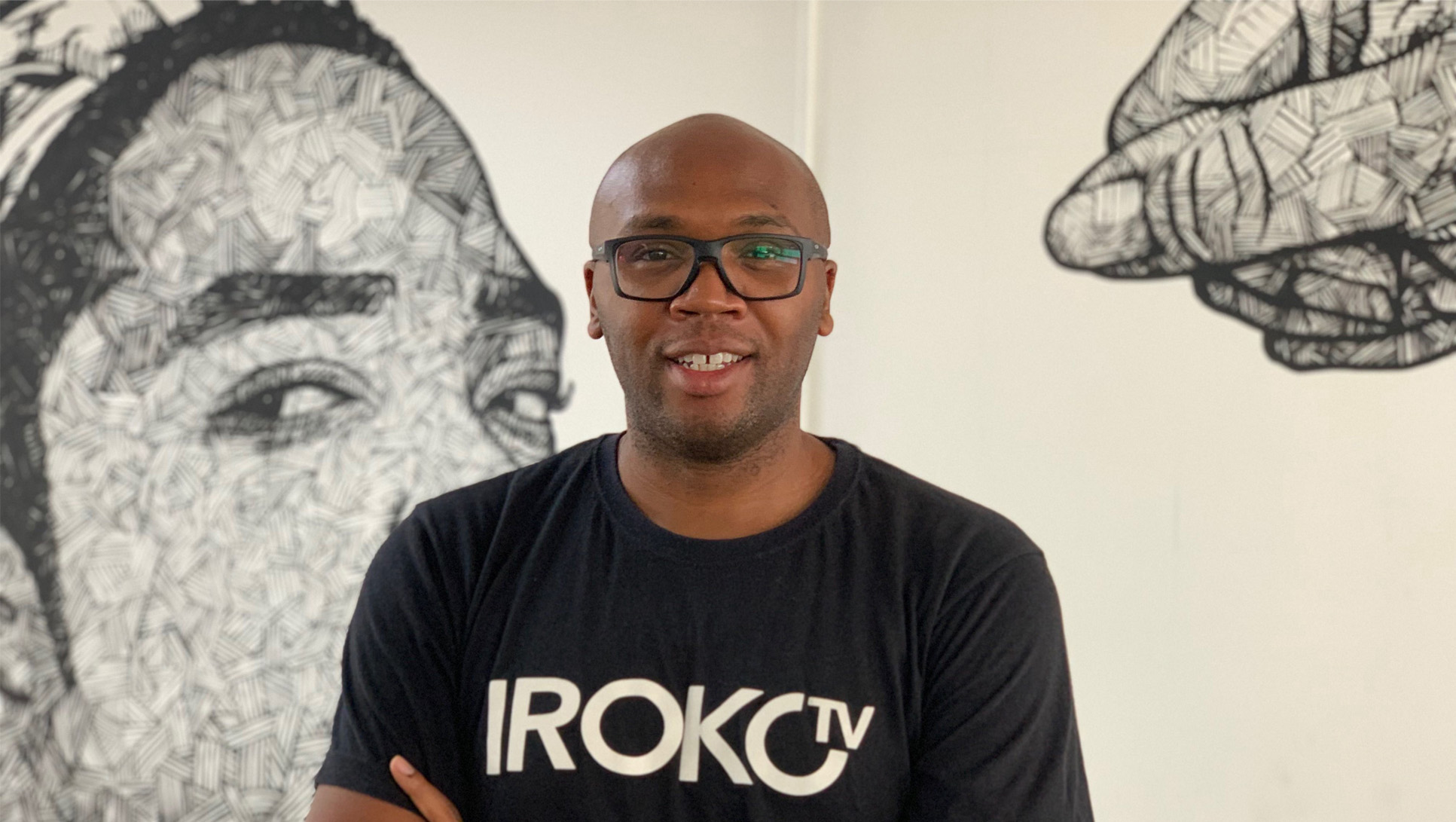
In 2011, Jason Njoku launched IROKOtv, an audacious venture aimed at building the Netflix of Africa. Backed by prominent investors like Tiger Global, the vision was bold, and the stakes were high. Nollywood content was booming, mobile penetration in Africa was accelerating, and the continent’s youthful population was seen as fertile ground for digital disruption.
Fast forward to 2023, and the dream has dimmed. IROKOtv exited the Nigerian market, stopped processing local payments, and admitted defeat in the fight to build a sustainable streaming service on the continent. Over $100 million was spent. The result? A brutal reckoning.
PAY ATTENTION: Follow our WhatsApp channel to never miss out on the news that matters to you!
Njoku himself has spoken openly about what went wrong. His reflections are not just a post-mortem of IROKOtv but a cautionary tale for African tech founders, investors, and policymakers alike. This piece distills those lessons into five hard truths that anyone betting on African tech must understand.
1. Poor Infrastructure Cripples Digital Innovation
One of IROKOtv’s biggest hurdles was not its content, team, or vision—but the reality of operating in a market with deeply inadequate infrastructure. When the platform launched in Nigeria, streaming wasn’t just new; it was nearly impossible for many consumers.
Super-expensive mobile data bundles, weak broadband penetration, and unreliable electricity turned basic content consumption into a luxury. Njoku recalls customers downloading episodes in bulk or using offline kiosks because online streaming simply wasn’t feasible.
Even as mobile access improved, consistent, high-speed internet remained out of reach for most Nigerians. And when your business model depends on buffering-free, real-time video access, infrastructure isn’t a minor inconvenience—it’s the bedrock.
Lesson: No matter how disruptive your idea, if infrastructure can’t support the product, scale is a mirage.
[DOWNLOAD OUR MAGAZINE]
- ALVIN RUME OPHI: INSIDE THE MIND OF A CRYPTO ANALYST
- DONJAZZY: MAKING MILLIONS WITH CRYPTO IN 10 MINUTES
- JUDE OZINEGBE: INSPIRING NEXT GENERATION DIGITAL ECONOMY
- Herbert Wigwe: Everything You Need to Know [WIGWE ODYSSEY]
2. FX Instability Turns Profit Into Smoke
Nigeria’s infamous foreign exchange volatility is a nightmare for any business, but for a tech company built on subscriptions and international content licensing, it was especially punishing.
IROKOtv priced its subscriptions in Naira, but incurred most of its costs—including technology, licensing, and server infrastructure—in dollars. As the Naira fell, margins disappeared. The cost of doing business inflated faster than revenue could catch up.
The situation got so dire that by 2023, IROKOtv had stopped processing Naira payments altogether. They simply weren’t worth it. Ironically, a service built for Nigerians could no longer afford to serve Nigerians.
Lesson: Macroeconomic volatility isn’t just an accounting issue. For tech startups, it can turn scalable dreams into fiscal death spirals.
3. Data Costs: The Silent Killer of Streaming Dreams
One of the least sexy yet most crucial aspects of the streaming business is data cost. In Africa, data is still prohibitively expensive for the average consumer. Watching a few hours of video content can wipe out an entire month’s mobile data budget.
IROKOtv tried everything: peer-to-peer file sharing, offline downloads, Android-first product development, and even physical kiosks where consumers could load episodes directly. It wasn’t enough. When your users are constantly calculating how many megabytes a scene will cost, you’re not competing against other platforms; you’re competing against survival.
This cost barrier also affected retention. A potential customer might subscribe once, binge-watch a few shows, and disappear for months. Consistency—the holy grail of subscription businesses—was elusive.
Lesson: In markets where data is a premium good, streaming can’t scale without radical innovation or subsidization.
[READ MORE IN THE NEWS]
- Nigerian Banks Invest N518.5 Billion in IT Infrastructure Amid Digital Banking and Cybersecurity Surge
- Maseera Acquires Egyptian Fintech Startup ADVA
- [A Closer Look] Is OPay Worthy of The Leadership Awards and Vanguard Awards?
4. Low GDP = Low ARPU
At the heart of IROKOtv’s struggles lies a brutal economic reality: most Africans, especially Nigerians, simply can’t afford a $5/month subscription.
Nigeria’s GDP per capita hovered around $2,000 during IROKOtv’s most active years. To put that in perspective, a $5 subscription would represent 0.25% of monthly income for an average citizen. That’s the equivalent of an American paying $150 a month for Netflix. In high-income countries, streaming is cheap entertainment. In Nigeria, it’s a luxury. While the diaspora market proved more lucrative, it wasn’t large enough to subsidize the loss-making local operations indefinitely.
This disconnect between perceived value and economic capacity proved fatal. Even when the product was beloved, it wasn’t viable.
Lesson: Product-market fit isn’t just about desire; it’s about disposable income.
5. Inefficient Payment Systems = Friction, Frustration, Failure
Finally, payments in Africa are often clunky, fragmented, and unpredictable. In IROKOtv’s early days, the company had to wait on Interswitch to enable basic integrations. Even as fintech grew, seamless, recurring payments remained elusive.
Credit card penetration is still low. Bank transfers are inconsistent. Mobile money isn’t ubiquitous in Nigeria as it is in countries like Kenya. All this created friction in a business model that depended on smooth, recurring billing.
While global streaming giants like Netflix rely on effortless auto-renewals, IROKOtv had to spend heavily on outbound agents, kiosk networks, and call centers just to retain customers. The backend complexity became a beast of its own.
Lesson: If your market can’t pay easily, it won’t pay consistently—and your LTV model collapses.
Final Thought: The Market Always Wins
In perhaps his most sobering statement, Njoku remarked: “If IROKOtv was losing, could they point to someone who was beating us?” The answer was no. And that, in itself, is telling. The real opponent wasn’t Netflix, Amazon, or Showmax. It was the market.
That insight reframes the IROKOtv saga not as a tale of failure, but of hard-earned wisdom. It wasn’t a lack of grit, talent, or innovation that undid the venture. It was the raw realities of a market that wasn’t ready.
Yes, Africa is rising. Yes, tech is the future. But founders and investors must resist the allure of copying Silicon Valley playbooks in fragile economies. The continent demands new models, new timelines, and brutal honesty about limitations.
Would Jason Njoku do it again? Not in the same way. As he admitted: “With my newfound knowledge, IROKOtv could have reached the same conclusions with $5-10 million versus the $100 million+ we ended up investing.”
That is the essence of experience. Painful. Priceless. And absolutely necessary.











Facebook Comments